Scholars Under Threat News
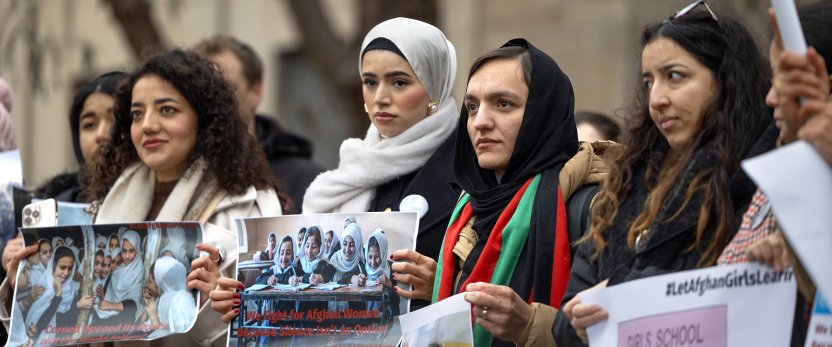
SUT Scholar is One of “The Last Free Women”
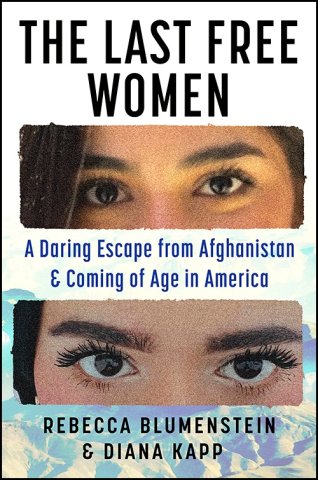
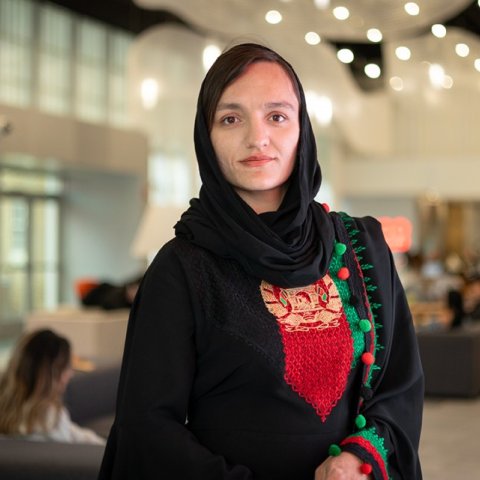
Mursal Rahim, MPA ’25, fled Afghanistan during the Taliban takeover and earned a Cornell degree supported by Global Cornell’s Scholars Under Threat initiative. The Last Free Women chronicles her journey, including her time at Cornell, her UN internship, and how she and three others have built new futures.
“This is the whiplash I live with now—highs of freedom and newfound opportunity, punctured by lows of intense guilt.”
The book was written by Rebecca Blumenstein, a former New York Times editor who helped coordinate employees’ evacuation and resettlement, and Diana Kapp, a journalist who has reported from Afghanistan.
Scholars and Students in the News
Full listing
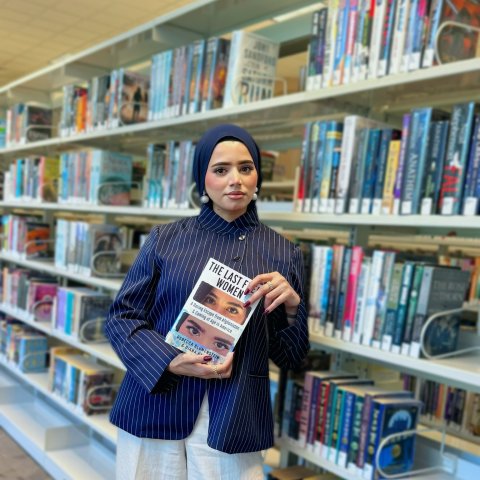
Mursal Rahim's journey from Afghanistan to the U.S.—and eventually to Cornell—was recently chronicled in The Last Free Women: A Daring Escape from Afghanistan and Coming of Age in America.
Source

As U.S. forces withdrew from Afghanistan in 2021, the New York Times undertook the task of bringing 124 people associated with the company out of Kabul to start new lives in America. One of them, Cornell alum Mursal Rahim, joins TODAY to detail fleeing the Taliban and share an update five years after leaving their home behind.
Source

In this New York Times op-ed, Mursal Rahim (MPA ’25) writes about fleeing Afghanistan and attending Cornell—an educational opportunity unavailable to women under Taliban rule.
Source
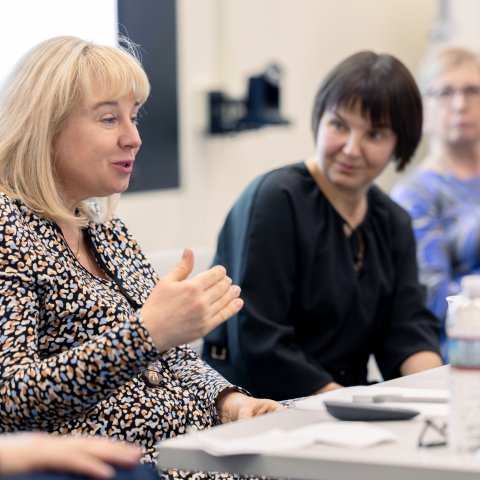
From Cameroon to Ukraine, threatened scholars are finding ways to keep teaching and researching through Cornell‑supported virtual fellowships anchored closer to home.
Source
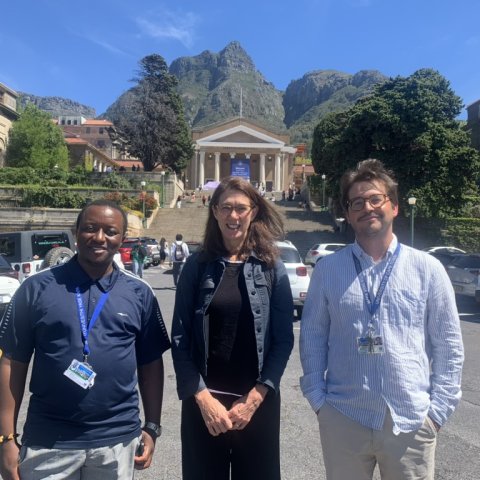
A team of geophysicists from Cornell, Cameroon, and South Africa is using machine learning tools to unearth new information from earthquake data collected by Cornell 15 years ago—providing a lifeline for a scholar through virtual collaboration.
Source
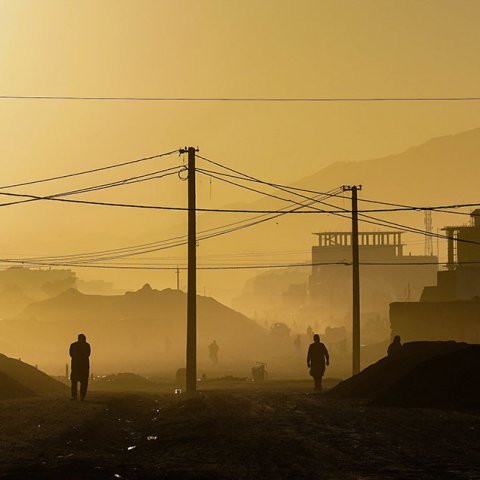
“Although Afghanistan is situated in a high seismic zone, its vulnerability to earthquakes is affected by other factors,” Noor Ahmad Akhundzadah, a visiting scholar with the South Asia Program.
Source
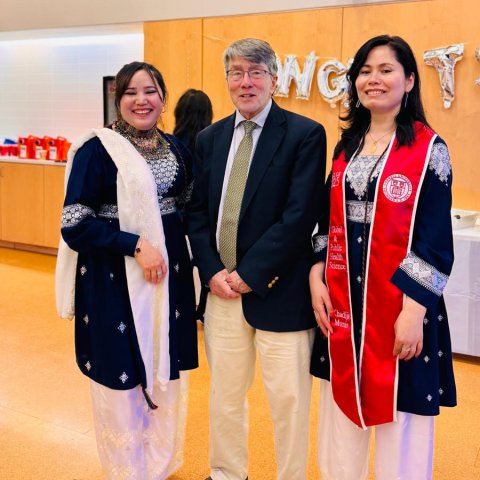
Khadija Monis ’25 spoke at a graduation celebration dinner that brought together our Afghan students and people on campus who supported the women since they arrived in December 2021.
Source
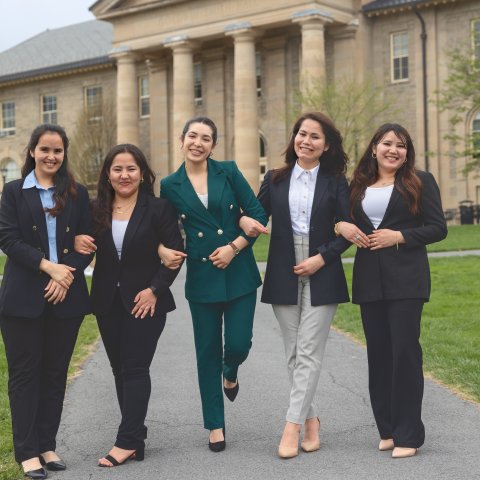
Our “scholars under threat” initiative offered extensive support to help nine women get acclimated and to succeed at Cornell after escaping the Taliban.