
Migration in the Making of the U.S.
Celebrating a 250-Year History
Migration enriches the United States, bringing people whose ideas, cultures, and contributions have strengthened the country throughout its history. As Cornell marks the nation’s 250th anniversary, Global Cornell celebrates these contributions and the people behind them. Drawing on the Einaudi Center’s Migrations Program and our international Cornell community, we bring together stories, research, art, and events to explore how migration has shaped our country.
Cornell Alumni Contributions to American Life
From Around the World, Contributing to America
Some came to the United States to study; others arrived as children. These Cornell alumni have expanded scientific knowledge, improved opportunities for families, built new technologies, and enriched our cultural life. Their stories show how people from around the world continue to contribute to the country we share.
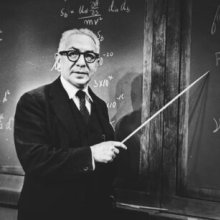
Isidor Isaac Rabi 1919
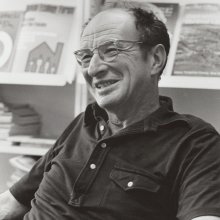
Urie Bronfenbrenner 1938
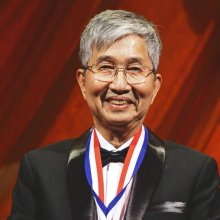
Ching Wan Tang PhD 1975
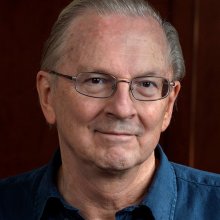
Jack Szostak PhD 1977
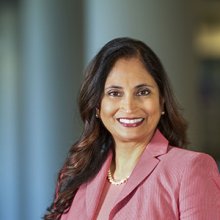
Padmasree Warrior MS 1984
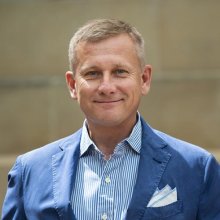
Alex Ponomarenko 1994
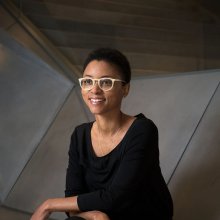
Nina Cooke John BArch 1995
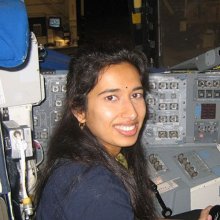
Swati Mohan 2004
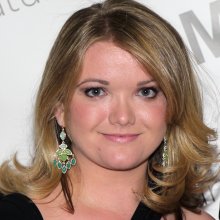
Téa Obreht MFA 2009
Mursal Rahim: One of Afghanistan's “Last Free Women”
Constitutional rights of free speech and freedom of the press are fundamental to U.S. democracy. Cornell supports international scholars and students whose academic speech and work put them at risk in their home countries.
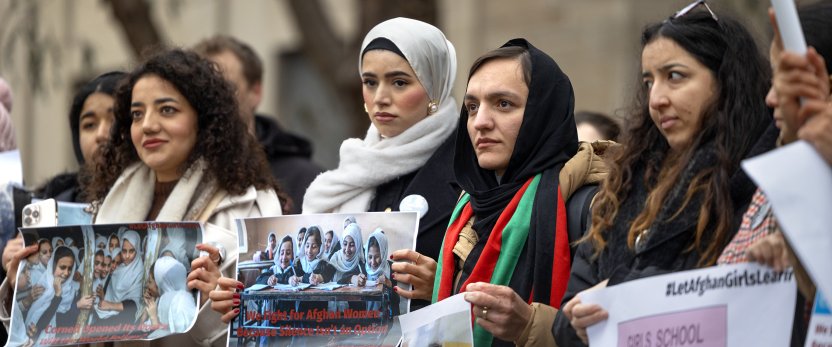
Mursal Rahim, MPA ’25, fled Afghanistan during the Taliban takeover with the New York Times evacuation of more than 100 local employees. She earned her Cornell degree with support from Global Cornell’s Scholars Under Threat initiative.
The Last Free Women—a new book by Rebecca Blumenstein, a former Times editor who helped coordinate the evacuation and resettlement, and journalist Diana Kapp—chronicles Rahim's journey, including her time at Cornell, her UN internship, and how she and three others have built new futures.
Global Hubs Democracy Collaborations
Global Cornell annually seeds Cornell-Hubs faculty teams to support emerging international research and teaching collaborations. In 2026, Cornell's Center on Global Democracy provided matching funds for projects on global democracy and democratic threats.
U.S. Externalization and the Protection of Migrants' Rights in the Americas
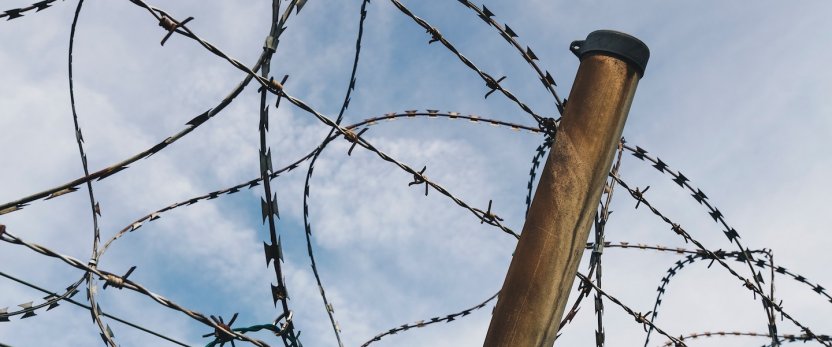
Cornell PI: Ian Kysel (LAW)
Are migrants' rights safe when states extend border enforcement beyond their territories?
The Pathologies of Legalism and the Rule of Law

Cornell PI: Emad Atiq (LAW)
How does the rule of law erode when citizens or officials resort to legalism?
Migrations Program Creative Competition
How does migration shape life in your community? Cornell students and employees respond with their art and writing in this annual competition that shares a wealth of human migration experiences in a range of media. Here is a video submission on coming to the United States.
The Cosmopolitan Club: “Above all nations is humanity”
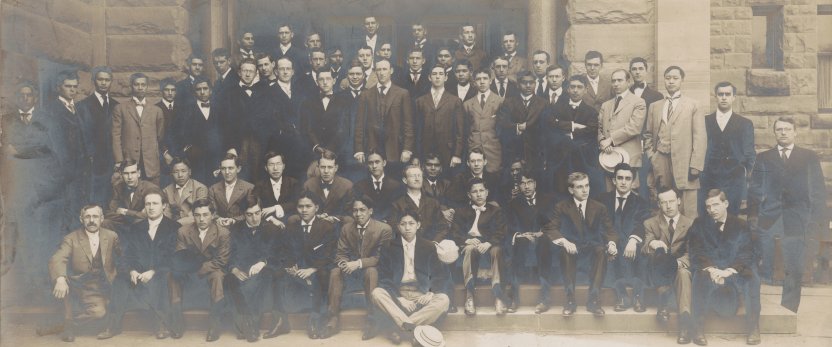
In 1904, Argentine graduate student Modesto Quiroga founded Cornell’s Cosmopolitan Club, bringing together international and domestic students with diplomatic interests and faculty mentors across a range of academic disciplines, including engineering and agriculture.
Guided by the motto “Above all nations is humanity,” members shared meals and later a house on Bryant Avenue, introduced one another to their cultures, and discussed questions of government, immigration, and peace. German undergraduate Christian Bües wrote in 1907: “[The Cosmopolitan Club] was founded to make men understand the spirit of nations so that in difficult international conflicts they might have a clear judgment and correct reasoning.”
The club thrived for 50 years and encouraged similar organizations at other universities. Its history offers an early example of international students enriching American higher education and putting into practice habits that support democracy: listening across differences, exchanging ideas, and building a shared community.
Mapping Cornell's Global Community
Our diversity is our strength. International students from 129 countries make up 25 percent of Cornell’s student body, and international faculty and staff from 94 countries/regions make up nine percent of our workforce.
Table view of the International Students and Employees map data.
Democracy in the News

Law Immigration Panel Asks, Who Has the Right to Free Speech?
The ACLU's Cecillia Wang was part of a panel discussion on free speech within the context of immigration, emphasizing fair application of First Amendment rights.

For Threatened Artists, Free Expression is Political and Personal
Artists from Nicaragua and Afghanistan kicked off Global Cornell’s contribution to this year’s campuswide freedom of expression theme. Watch the event video.