

Cornell Chronicle

Economists from around the world will come to campus Oct. 3-5 to explore the changing global economy. The conference is open to the public.
Source
Indigenous student brings fair-trade coffee to Ithaca while empowering her Mam parents and neighbors to command a better price for their beans.
Source
The history of labor organizations and worker issues in China is the focus of “Keywords of Chinese Labor: An Exhibition,” opening this month in an art gallery in Brooklyn. The exhibition will include daily guided tours and events.
Source
Scholars and policymakers need to look at more than "gender equality" to assess women’s status and how it contributes to political violence or peace, political scientist Sabrina Karim argues in a new book.
Source
The Entrepreneurship Kickoff is hosted each year by Entrepreneurship at Cornell and drew than 300 students this year.
Source
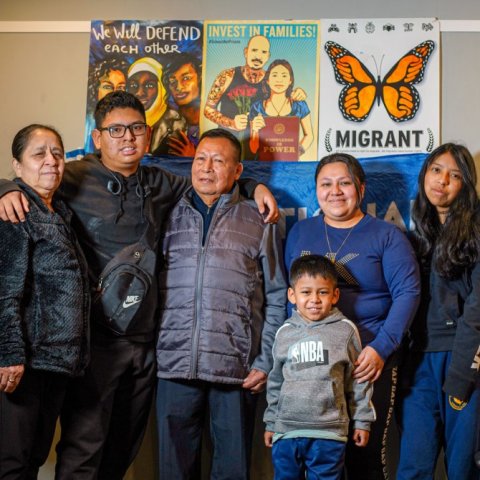
A new outdoor exhibit of 6-foot-high interactive portraits will explore the history of migrant workers’ struggles to attain American citizenship.
Source
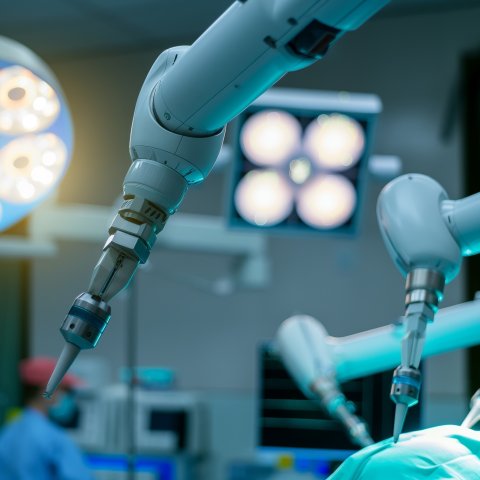
Work and how it gets done is changing rapidly, and some knowledge-intensive jobs may be transformed or even replaced by smart technologies. How are governments, employers and workers responding? What are the options for limiting harm as AI use grows?
Source
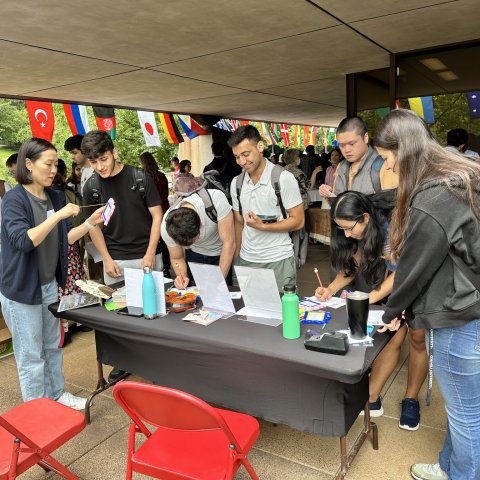
The annual International Fair showcases Cornell's global opportunities for undergraduate and graduate students, including international majors and minors, language study, study abroad, funding opportunities, global internships, and more. Swing by Uris Hall Terrace on Aug. 28 between 11 a.m. and 1:30 p.m.
Source
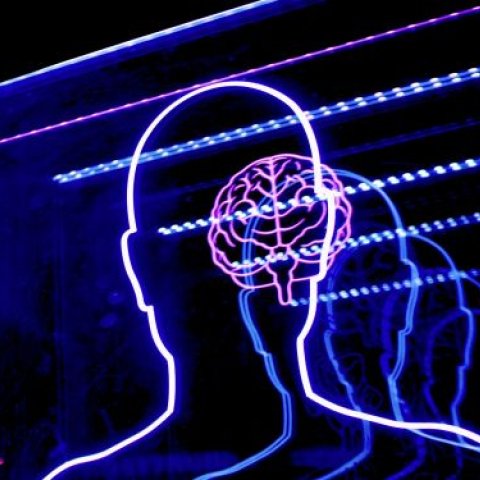
New research from Kaushik Basu (CRADLE) theorizes that an increase in knowledge can be bad when people use it to act in their own self-interest.