
Research Seed Grant Awards
Since the fall of 2022, Global Cornell has awarded more than $800,000 to 158 Cornell-Hubs faculty teams to support emerging research and teaching collaborations, with matching funds from 16 Global Hubs partner universities and contributions from Weill Cornell Medicine (2023-25) and the Center on Global Democracy at the Brooks School of Public Policy (2026).
Global Hubs Researchers Probe War, How to Keep Peace
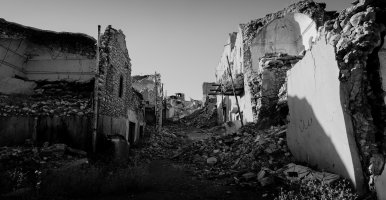
Read about the impact of the War and the State seed grant.
“This grant has given us the start we need, getting creative people from a range of subdisciplines together to light a spark. It has been an astonishing opportunity, the kind of gift you dream of as a historian.”
Jonathan Fennell, professor of the history of war and society, King’s College London
2026
The 2026 research seed grant projects are funded from January 1 through December 31, 2026.
2026 Global Hubs Collaboration Grant
Bridging Communities Through Engaged Learning and Research: A Cornell University - King's College London Partnership
- Cornell PI: Katherine McComas, Communication, CALS
- King's College London PI: Funmi Olonisakin, International, Engagement, and Service Directorate
2026 Global Hubs Seed Grants
Building Resilient Interfaces: Microporous Polymer Coatings for Stable Aqueous Zinc Batteries
- Cornell PI: Yu Zhong, Materials Science and Engineering, ENG
- Chulalongkorn University PI: Rongrong Cheacharoen, Metallurgy and Materials Science Research Institute
Networked Bayesian Learning for Energy-Smart Mobility Decisions
- Cornell PI: Ricardo Daziano, Civil & Environmental Engineering, ENG
- Imperial College London PI: Aruna Sivakumar, Civil and Environmental Engineering
Constraining uncertainties in regional hydroclimate projections
- Cornell PI: Flavio Lehner, Earth and Atmospheric Science, CALS
- National Taiwan University PI: Hsin Hsu, International Degree Program in Climate Change and Sustainable Development
Constraining Changes to Tropical Cyclone Activity under Climate Change
- Cornell PI: Jonathan Lin, Earth and Atmospheric Science, CALS
- National Taiwan University PI: Yen-Ting Hwang, Department of Atmospheric Sciences
Sustaining Paradise: Gender, Sacred Ecology, and Regenerative Development in Bali (Indonesia)
- Cornell PI: Chiara Formichi, Asian Studies, A&S
- National University of Singapore PI: Faizah Zakaria, Department of Southeast Asian Studies
3D-Integrated Patch-Sparse Vision Transformers through In-Sensor Scene Activity Detection and Sensor–Accelerator Co-Design
- Cornell PI: Jae-sun Seo, Electrical & Computer Engineering, ENG
- National University of Singapore PI: Massimo Alioto, Electrical and Computer Engineering
Towards an AI-Motivated Mathematical Skills Inventory for Future Engineers
- Cornell PI: Alexandra Werth, Biomedical Engineering, ENG
- Queen Mary University of London PI: Rehan Shah, Mathematics and Engineering Education
Practicing Sustainability Transition through Circular and Green Innovations in Agrifood Systems of New York State and the Yangtze River Delta
- Cornell PI: Chuan Liao, Global Development, CALS
- Shanghai Jiao Tong University PI: Xiaokun Gu, School of International and Global Affairs
Development of novel plant protein-rich food products by fermentation
- Cornell PI: Carmen Moraru, Food Science, CALS
- Technical University of Denmark PI: Egon Hansen, National Food Institute
EQUATE: Achieving equity in transportation planning through welfare optimization - the case of congestion pricing and transit design
- Cornell PI: Samitha Samaranayake, Civil & Environmental Engineering, ENG
- Technical University of Denmark PI: Ravi Seshadri, Transport Division
Overworking or Outsourcing: Integrated Prediction-Optimization for Human-Centric Last-Mile Delivery Zone Assignment
- Cornell PI: Meng Qi, Operations, Technology, and Information Management, Cornell SC Johnson College of Business
- Tsinghua University PI: Wei Qi, Tsinghua University, Industrial Engineering
Evolution in action: building on 40 years of evolutionary change through enhanced international collaboration
- Cornell PI: Erik Enbody, Computational Biology, CALS
- Universidad San Francisco de Quito PI: Carlos Valle, Biology
Genomic epidemiology of Salmonella from wild black vulture (Coragyps atratus) in Ecuador
- Cornell PI: Renato Orsi, Food Science, CALS
- Universidad San Francisco de Quito PI: Sonia Zapata Mena, Instituto de Microbiología
Scalable Functionalization of Natural and Synthetic Fibers with Layered Graphene for High-Performance Electronic Textiles
- Cornell PI: Tamer Uyar, Fiber Science and Apparel Design, CHE
- University College London PI: Shahab Akhavan, Institute for Materials Discovery
US Externalisation and the Protection of Migrants' Rights in the Americas*
- Cornell PI: Ian Kysel, Migration & Human Rights Program, LAW
- University College London PI: Par Engstrom, Institute of the Americas
- University College London Co-PI: Brad Blitz, Department of Education, Practice and Society
*Note: Co-funded by the Brooks School of Public Policy's Center on Global Democracy.
The Pathologies of Legalism and the Rule of Law*
*Note: Co-funded by the Brooks School of Public Policy's Center on Global Democracy.
Exploring the Grey Area: Urban Lives on the Periphery*
- Cornell PI: Ellen Lust, Government, A&S
- University College London PI: Adam Harris, Department of Political Science
*Note: Co-funded by the Brooks School of Public Policy's Center on Global Democracy.
Decoding Adaptation: DNA Sequence vs. Epigenetic Marks in Atlantic Silverside
- Cornell PI: Nina Overgaard Therkildsen, Natural Resources and the Environment, CALS
- University of Copenhagen PI: Morten Limborg, Globe Institute
Renaissance Ecologies, Renaissance Temporalities: Toward a Productive Anachronism for Renaissance Ecological Studies
- Cornell PI: Chad Cordova, Romance Studies, A&S
- University of Edinburgh PI: Elizabeth Petcu, Edinburgh School of Architecture and Landscape Architecture
The Political Economy of AI
- Cornell PI: Danah Boyd, Communication, CALS
- University of Edinburgh PI: Alex Taylor, Design Informatics
Seed System Diagnostics Across Continents: A Stakeholder-Driven Survey of Seed Health and Technology Challenges in Ghana and the Northeastern United States
- Cornell PI: Collins Bugingo, School of Integrative Plant Science, CALS
- University of Ghana PI: Agyemang Danquah, Breeding
Geo-Context-Guided Generalization for Autonomous Vehicles
- Cornell PI: Killian Weinberger, Computer Science, CIS
- University of Sydney PI: Stewart Worrall, Faculty of Engineering
Understanding Newcastle Disease Vaccine Failure in Zambian Poultry: Implications of Maternally Derived Antibodies for Disease Control Strategies
- Cornell PI: Jarra Jagne, Public and Ecosystem Health, VET
- University of Zambia PI: Katendi Changula, Paraclinical Studies
From Heatwaves to Heartbeats: Quantifying Temperature Thresholds and Critical Windows of Heat Exposure for Adverse Neonatal Outcomes at Two Selected Hospitals in Zambia
- Cornell PI: Gen Meredith, Public and Ecosystem Health, VET
- University of Zambia PI: Kalonga Mwiinga, Population Studies
Harnessing insect microbiomes to block flavivirus transmission in mosquitoes
- Cornell PI: Nicolas Buchon, Entomology, CALS
- Zhejiang University PI: Xiaotian Tang, Department of Entomology
Using AI to Assess Local Government Finance and Spatial Inequality
- Cornell PI: Mildred Warner, City and Regional Planning, AAP
- Zhejiang University PI: Yuanshuo Xu, Urban Development and Management
2025
The 2025 research seed grant projects are funded from January 1 through December 31, 2025.
Chulalongkorn University–Cornell University
Cold War Intellectuals: Thailand’s Anti-American Alliance with the U.S.
- Cornell PI: Tamara Loos, History, A&S
- Chula PI: Wasana Wongsurawat, Department of History
Abstract
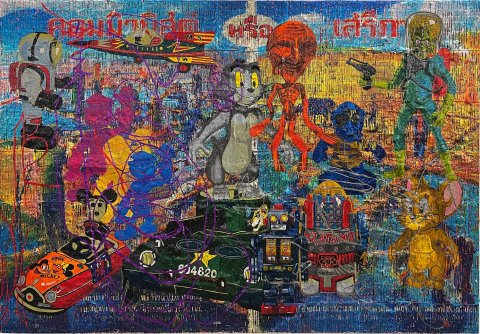
New scholarship on the Cold War in Thailand highlights vernacular agency. Not mere puppets of superpowers, Thai leaders initiated change in their society that did not always align with U.S. interests. A focus on local agency does not let the U.S. off the hook but circumscribes the authority of the superpower by showing how locals redirected it in ways that buttressed particular political factions, cultural hierarchies, and economic policies over others. Our project examines several Thai intellectuals whose writings shaped international, regional, and domestic agendas between the 1950s and 1970s. We focus on the works of royalist anti-communist Prime Minister M.R. Kukrit Pramoj, diplomat Prince Wan Waithayakon, radical Buddhist monk Buddhadasa Bhikku, and Thailand’s foremost cultural intellectual, Phraya Anuman Rajadhon. These men and their philosophies expanded Thailand’s intellectual, political, and cultural space in ways that complicated their country’s alliance with the U.S. and enabled underground ties with the PRC.
Permanent Sequestration of CO2 in Cement Composite by Replacing Cement with Biochar and Metal-Organic Frameworks (MOFs) from Sustainable Material Sources: Enhancing Carbon Capture and Strength
- Cornell PI: Ramya Nair, Civil and Environmental Engineering, ENG
- Chula PI: Shanya Orasutthikul, Department of Architecture
Abstract
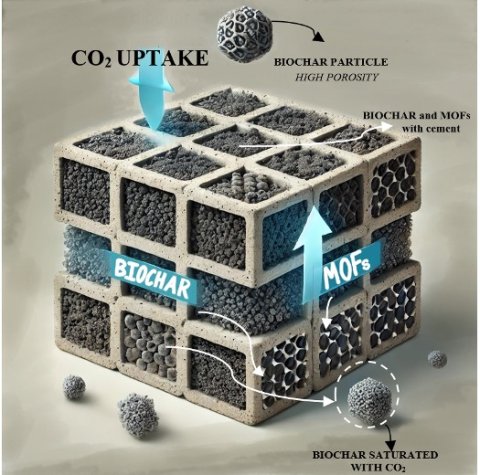
The cement industry contributes 7-8% of global CO2 emissions, producing nearly 0.9 ton of CO2 per ton of cement. As demand increases, the need to reduce emissions through sustainable materials becomes crucial. This study focuses on an innovative approach by incorporating biochar (BC) and Metal-Organic Frameworks (MOFs) into cement composites to enhance CO2 sequestration. BC, with its high surface area and porosity, can adsorb and store CO2, while MOFs, known for superior CO2 capture, further improve sequestration. The method replaces up to 20% of cement with bamboo waste and chopped wood biochar, using both CO2-saturated and unsaturated forms. MOFs will be added at 0.1%-5% dosages to enhance CO2 sequestration. The composites will undergo exposure in carbonation chambers, followed by CO2 absorption testing, TOC analysis, and mechanical property assessments. This approach provides a cost-effective, environmentally sustainable solution to reduce the cement industry's carbon footprint, supporting long-term reduction in CO2 consumption.
University of Edinburgh–Cornell University
Promoting Physical Activity for Mental Health During the Menopause Life Stage: Sharing of Expertise and Design of Primary Data Collection*
- Cornell PI: Victoria Wilkins, Psychiatry, WCM
- Edinburgh PI: Ailsa Niven, Physical Activity for Health Research Centre, Moray House School of Education and Sport, College of Arts, Humanities and Social Sciences
*Note: Funded by Weill Cornell Medicine
Gay Numbers: The Use and Misuse of Sexual Orientation and Gender Identity Data in the UK and U.S.
- Cornell PI: Jamie Budnick, Sociology, A&S
- Edinburgh PI: Kevin Guyan, Business School
Abstract

What percentage of the population is lesbian, gay, bisexual, trans, or queer? For whom might this figure matter? And how is this data used and misused? Around the world, more censuses and surveys are asking about sexual orientation and gender identity (SOGI). While often well-intentioned (e.g., addressing health and socioeconomic disparities), these data practices assume demographic categories are fixed and measurable, creating challenges for the most marginalized LGBTQ individuals. Gender and sexuality scholars doctors Kevin Guyan and Jamie Budnick map the use (and misuse) of SOGI data in the UK and U.S. between 2020-25. The project convenes a Future of SOGI Data Forum, the first global gathering of policymakers, community groups, and academics engaged in SOGI data to learn from shared challenges and identify and mitigate “hidden harms” of collecting more data. The project will also publish an industry/policy brief, draft academic outputs, and establish the groundwork for future funding proposals.
Developing a Research, Impact, and Training Partnership Between Science and Technology Studies Departments
- Cornell PI: Suman Seth, Science and Technology Studies, A&S
- Edinburgh PI: Steven Yearley, Social and Political Science
Regraining Ground: Regional Agroecological Grain Networks in Scotland and New York
- Cornell PI: Rachel Bezner Kerr, Global Development, CALS
- Edinburgh PI: Alexandra Bellows, Global Academy of Agriculture and Food Systems / College of Medicine and Veterinary Medicine
Abstract
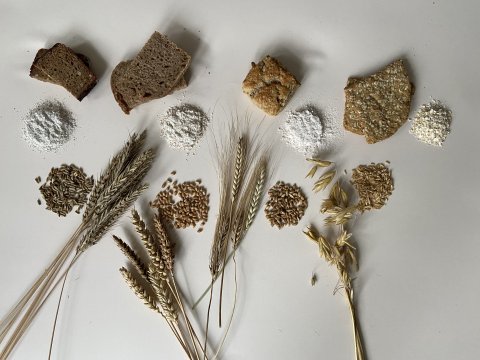
Regional food systems that support environmentally friendly production methods provide a potential opportunity for increased resiliency and sustainability, yet few projects have allowed for the development of transdisciplinary methods for cross-country comparisons. We aim to fill this gap by co-developing methods to map regional agroecological grain networks in Scotland and Upstate New York and explore the social, environmental, health, and economic impacts of each network. This pilot project will facilitate the development of transdisciplinary methods by bringing together sociologists, economists, and health/nutrition researchers to map regional grain networks, a major staple food of both the UK and U.S. diet. Outputs will include a peer-reviewed paper comparing the two networks along with workshops to facilitate the transfer of knowledge between stakeholders in each network.
Balancing Forecasting and Differential Privacy in the Smart Grid
- Cornell PI: Anna Scaglione, Electrical Engineering, ENG
- Edinburgh PI: Victor Elvira, School of Mathematics
Abstract
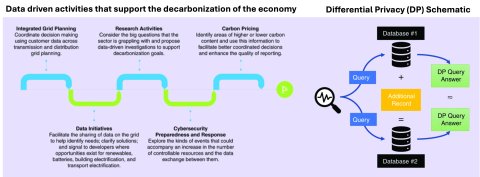
This proposal aims to address the critical challenge of balancing accurate forecasting and topology discovery in the energy grid with the imperative of user privacy. As decentralized energy resources proliferate and smart meters become commonplace, the complexity of energy management increases, necessitating detailed data for effective prediction. We propose a novel framework that leverages state-space models and particle filters to enhance forecasting accuracy while incorporating advanced privacy-preserving techniques, including differential privacy and federated learning. This integrated methodology will allow localized prediction capabilities on devices such as smart meters, ensuring that only aggregated data is shared, thus protecting sensitive user information. Our approach aims to foster trust among users and facilitate the transition to a more resilient and efficient energy grid, ultimately contributing to sustainable energy management in an increasingly decentralized landscape.
Recomputing the Planet: New Sociotechnical Imaginaries for Planetary Future(s)
- Cornell PI: Steve Jackson, Information Science, CIS
- Edinburgh PI: Arno Verhoeven, Design
Abstract
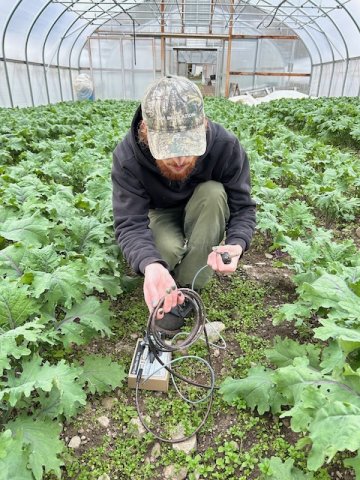
This project will support a workshop, public event, and follow-on collaboration and grant writing by the Cornell and Edinburgh team. “Recomputing the Planet” will be held in Edinburgh in May 2025 (to immediately precede the Open Source Hardware Association (OSHWA) World Summit). It will bring together artists, scholars, designers, activists, and community members dedicated to imagining new and more sustainable computational infrastructures for more hopeful planetary futures. Bringing together PI strengths in participatory and speculative design, sustainability, redistributive computing and human-centered computing, it seeks to build new sociotechnical imaginaries that extend and improve the practice of planetary computing, including its key moments of sourcing and extraction, energy and water, and waste and repair. It will also support follow-on PI collaborations towards future gallery installations in the U.S., UK, and Europe, planetary computing teaching modules and public engagement, and pursuit of larger grant-supported collaborations in Europe and the U.S.
University of Ghana–Cornell University
Urban Form and Residential Energy Consumption in Accra, Ghana
- Cornell PI: Stephan Schmidt, City and Regional Planning, AAP
- Ghana PI: Isaac Arthur, Centre for Urban Management Studies
Abstract
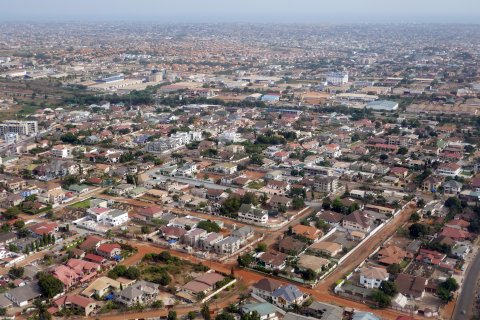
Cities consume significant amounts of energy and contribute substantially to global carbon emissions. However, they also have the potential to mitigate these impacts, as the built environment profoundly influences behaviors and decision-making related to energy use and consumption. Rapidly urbanizing cities in Sub-Saharan Africa face unique challenges, including the prevalence of informal settlements and an energy sector primarily driven by residential consumption, compounded by issues of energy justice. Despite this, these contexts remain largely understudied. This research aims to address this empirical gap while enhancing the theoretical understanding of the relationship between the built environment and energy consumption in African cities. Using Accra, Ghana, as a case study, we employ a mixed-methods approach that includes spatial analysis and a quantitative survey of households. Our expected outcomes are to deepen the understanding of energy consumption within the context of informal settlements and energy justice concerns, ultimately contributing to the development of more equitable and energy-efficient built environments.
Maternal And Neonatal Factors on Long-Term Immune Responses to Childhood Vaccines in Uninfected Children Born to HIV-Infected Mothers*
- Cornell PI: Kirk Deitsch, Microbiology and Immunology, WCM
- Ghana PI: Frederica Partey, Immunology Department, Noguchi Memorial Institute for Medical Research
*Note: Funded by Weill Cornell Medicine
Abstract
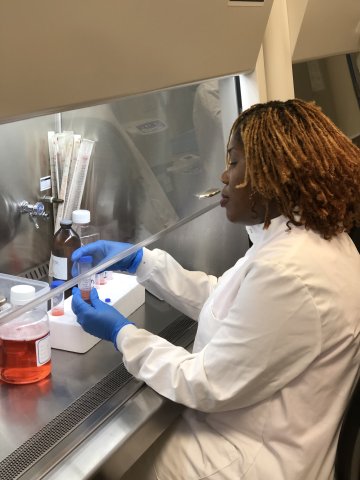
Children born to HIV-infected mothers who are HIV-free (CHU) experience higher hospitalization and mortality rates than their unexposed peers. These children demonstrate delays in neurodevelopmental milestones. Such challenges adversely impact their educational performance and long-term income potential. As the CHU population grows, understanding the mechanisms underlying their compromised immunity and vulnerability to infections is crucial to improving their health and quality of life. This study aims to identify maternal and neonatal factors affecting the long-term maintenance of vaccine-induced immunity. We will recruit HIV-infected pregnant women in their third trimester and their unexposed infants post-delivery for a longitudinal study. We will determine maternal clinical status and the timing of antiretroviral therapy (ART) initiation on the effectiveness of passive antibody transfer. This pilot study will lay the groundwork for funding a well-characterized cohort of HIV+ mothers and uninfected infants to longitudinally examine the induction and maintenance of vaccine-induced immune responses comprehensively.
Cultural and Ethical Dimensions of Generative AI Communication: A Collaborative Study between Cornell Engineering Students and Ghanaian Students of English
- Cornell PI: Hua Wang, Engineering Communications Program, ENG
- Ghana PI: Nancy Henaku, Department of English
- Ghana PI: Kwaku Owusu Afriyie Osei-Tutu, Department of English
Abstract
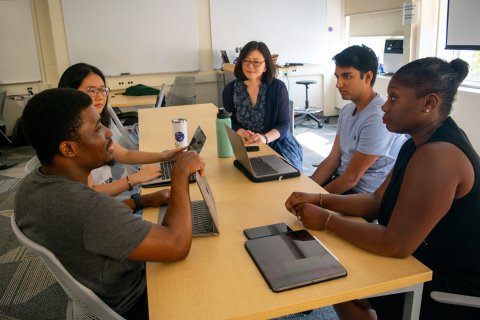
This project brings together Cornell Engineering students and Ghanaian students of English to collaboratively investigate the cultural and ethical issues emerging from the use of Generative AI (GenAI) tools in writing. Working virtually in teams, they will test various GenAI tools and explore whether these tools favor Western narratives, language, and values and how well they understand non-Western cultural contexts, such as Ghanaian traditions and idiomatic expressions. Students will also examine whether GenAI perpetuates harmful stereotypes about certain cultures or professions and how it addresses sensitive topics such as gender, identity, and race when viewed from different cultural perspectives. Together, they will co-author a proposal offering recommendations for addressing these issues and present it to a large group (both groups). Through this project, students will emerge with a well-rounded, interdisciplinary skill set, deeper cultural awareness, and a critical understanding of how GenAI and ethics intersect in both local and global contexts.
Femtosecond Fiber Lasers for Precision Material Processing
- Cornell PI: Frank Wise, Applied and Engineering Physics, ENG
- Ghana PI: Joanna Hodasi, Physics
Abstract

Ultrashort pulses of light, with durations measured in femtoseconds (a millionth of a billionth of a second), allow precision material processing by ablating material without thermal effects. The Cornell-Ghana team proposes to develop femtosecond-pulse lasers made of optical fiber that have the parameters required by the most effective approaches to material processing. Basic physics of nonlinear wave propagation must be understood to design such lasers. The lasers will find applications that range from precision cutting of hard materials such as metals to surgery.
Hong Kong University of Science and Technology–Cornell University
Cultural and Individual Differences in Virtual Retail Therapy: Engagement and Emotion Regulation in Metaverse Experiences Across the U.S. and Asia
- Cornell PI: So-Yeon Yoon, Human Centered Design, CHE
- HKUST PI: Jiewen Hong, Department of Marketing
Abstract

This study explores how cultural and individual differences influence sustained engagement and emotion regulation in virtual retail environments within the Metaverse. By focusing on retail therapy and window shopping experiences, the project compares user behavior across the U.S. and Asia, examining differences in regulatory focus (promotion vs. prevention) and cognitive styles (holistic vs. analytic thinking). Virtual simulations will be designed to assess how these individual and cultural factors shape consumer interaction and emotional responses within retail spaces. By leveraging insights from consumer psychology and metaverse technology, this project aims to understand how virtual retail environments can be optimized for diverse cultural contexts, encouraging sustained use and positive emotional outcomes. The findings will contribute to the development of culturally adaptive Metaverse designs that enhance user experience and emotional well-being across different populations.
Coordinating Transportation Electrification with Power System Planning for Joint Carbon Reduction in Coupled Power-Transportation Networks
- Cornell PI: H. Oliver Gao, Civil and Environmental Engineering, ENG
- HKUST PI: Sen Li, Department of Civil and Environmental Engineering
Abstract
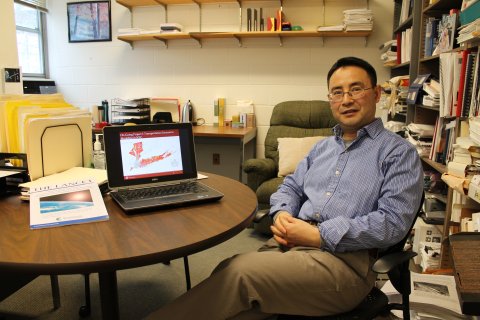
Power and transportation systems are fundamental infrastructures that contribute significantly to carbon emissions. This necessitates efforts to reduce carbon emissions across both sectors, such as promoting electric vehicles (EV) in transportation and enhancing renewable integration in power systems. Notably, these systems are deeply coupled, as the spatio-temporal charging patterns of EVs affect power grid operations, which further influences the overall carbon emissions. However, current carbon-reduction efforts typically address them in isolation. To bridge this gap, we propose this project to explore coordinated planning and operation of coupled transportation-power networks, aiming for joint carbon reduction. We will explore integrated planning for renewables and EV charging infrastructure and utilize EVs for grid balancing under high renewable penetration. Through real-world case studies in Hong Kong and New York, we will provide practical insights for achieving joint carbon reduction goals, demonstrating how synchronized improvements in both sectors can significantly enhance overall sustainability.
King's College London–Cornell University
Radionuclide Imaging of Copper Depletion in Breast Cancer Models*
- Cornell PI: Vivek Mittal, Cardiothoracic Surgery, WCM
- King's PI: Cinzia Imberti, Imaging Chemistry and Biology, School of Biomedical Engineering & Imaging Sciences
*Note: Funded by Weill Cornell Medicine
Workshop on Atlas of AI Risks in Urban Environments: Public-Facing Tools for Understanding and Governing AI in Cities
- Cornell PI: Anthony Townsend, Jacobs Technion-Cornell Institute, Cornell Tech
- King's PI: Daniele Quercia, Department of Informatics / Faculty of Natural, Mathematical & Engineering Sciences
The Global Colonial Past and Present: Practices, Norms, and Imaginaries Beyond the Anglosphere
- Cornell PI: Oumar Ba, Government, A&S
- King's PI: Doerthe Rosenow, Department of War Studies
Abstract
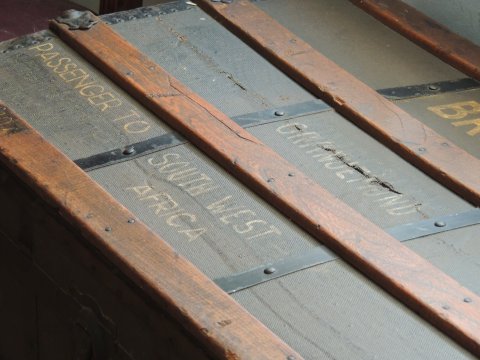
Joining the increasing reflection that is taking place in public debate and academia on the ongoing impact of colonialism, this project investigates the practices, norms, and imaginaries of the global colonial past and present. Going beyond the Anglosphere, we aim to trace how various colonial realities that are located within specific local, regional, and imperial contexts overlap and connect to larger structures of oppression that may, however, still be internally heterogeneous and sometimes even contradictory. Bringing together a team of four scholars from King’s College London and Cornell University, the project will develop a broader theoretical framework of distinct but also overlapping trajectories and reverberations of colonial enterprises around the world. It will do so through connecting research that is taking place across a variety of empirical historical and contemporary sites, such as the Ottoman Empire, France, Finland, Tunisia, and Germany (to name only a few).
Post-Pandemic "Global" Health and the Return of State Medicine: An Inquiry Into the Pandemic Biopolitics of India and South Africa
- Cornell PI: Timothy Campbell, Romance Studies, A&S
- King's PI: Carlo Caduff, Department of Global Health & Social Medicine
Abstract
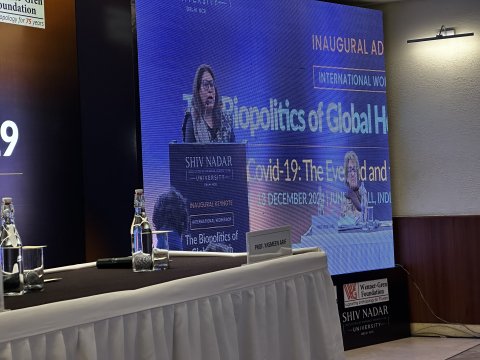
Can we still speak of “global health” in the post-Covid-19 world? This project examines how the pandemic exposed the limitations of "global" health and highlighted the resurgence of state medicine, particularly in India and South Africa. Through a two-day workshop at King’s College London, we will explore how pandemic responses in these localities were shaped by their particular bio-histories, including colonial medicine, anti-colonial struggle, and segregated social structures. The workshop will investigate: 1) whether pandemic governance in South Africa and India indeed marked a re-institution of state medicine; 2) the role digital health and surveillance tools played in this re-emergence and the concerns this raises about exclusionary practices and biopolitical control. Through a comparative analysis of India and South Africa as specific biopolitical locations, researchers from Cornell University, King’s College London, and beyond will work together to explore what remains of “global” health in the ruins of the Covid-19 pandemic.
Deep Listening with Machines for More Equitable Environmental Futures
- Cornell PI: Christopher Csikszentmihalyi, Information Science, CIS
- King's PI: Jonathan Gray, Department of Digital Humanities
National University of Singapore–Cornell University
Multiple Diasporas: A Geopolitical Approach to Studying Chinese Migration to Singapore
- Cornell PI: Eli Friedman, Global Labor and Work, ILR
- NUS PI: Zachary Howlett, Sociology and Anthropology
The Role of Electric Vehicle Policies in Sustainable Transportation: A Global Inquiry
- Cornell PI: Nicholas Klein, City and Regional Planning, AAP
- NUS PI: Shengxiao Li, Department of Architecture, College of Design and Engineering
Revealing Complex, Transient Structural Motifs Linked to Phase Instabilities in High-Entropy Alloys Using Unsupervised Machine Learning
- Cornell PI: Judy Cha, Materials Science, ENG
- NUS PI: Ne Te (Duane) Loh, Physics and Biological Sciences / Faculty of Science
Enantioselective Heterogeneous Catalysis and Separations with Chiral Fluorene-Based Metal-Organic Frameworks
- Cornell PI: Phillip Milner, Chemistry and Chemical Biology, A&S
- NUS PI: Ye Zhu, Department of Chemistry / Faculty of Science
Does Environmental Degradation and Protection in China Affect Migratory Bird Sightings Along the East Asian–Australian Flyway?
- Cornell PI: Wendong Zhang, Dyson School of Applied Economics and Management, JCB
- NUS PI: Tong Liu, Lee Kuan Yew School of Public Policy
National University of Taiwan–Cornell University
From Burnout to Balance: Exploring the Impact of Biophilic Academic Environments on Student Health and Wellbeing
- Cornell PI: Richard Stedman
- NTU PI: Shih-Han Hung
NTU-Cornell Joint Innovation in Large-Scale Laboratory Earthquake Research
- Cornell PI: Gregory McLaskey
- NTU PI: Chun-Yu Ke
Transboundary Impacts of Environmental Change: Evidence from Migratory Birds along the East Asian–Australian Flyway
- Cornell PI: Catherine Kling
- NTU PI: Hung-Hao Chang
Queen Mary University of London–Cornell University
Democracy Under Siege: Majoritarianism and Strategies of Resistance in South Asia
- Cornell PI: Natasha Raheja, Anthropology, A&S
- QMUL PI: Moshin Bhat, School of Law
Learning from Each Other: Neural Networks and Finite Automata
- Cornell PI: Alexandra Silva, Computer Science, CIS
- QMUL PI: Fredrik Dahlqvist, School of Electronic Engineering and Computer Science
Biochar-Supported Fe-Catalysts for Sustainable CO2 Reduction via the Reverse Water-Gas Shift Reaction
- Cornell PI: Jillian Goldfarb, Chemical and Biomolecular Engineering, ENG
- QMUL PI: Roberto Volpe, School of Engineering and Materials Science
Abstract
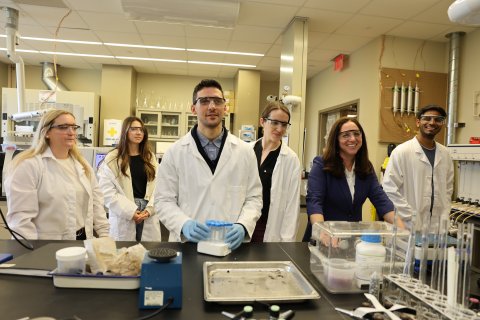
Reversing climate change through sustainable fuels and CO2 conversion is a global imperative shared by faculty at both Cornell and Queen Mary. The proposed work will strengthen a nascent experimental collaboration between Dr. Volpe (QMUL) and Professor Goldfarb (Cornell), who share complimentary expertise in biomass pyrolysis. We will co-develop bio-based sustainable catalysts for CO2 conversion technologies. Bringing together biomass impregnation techniques developed separately by the two groups, our results will first illuminate the ill-understood mechanism of formation of Fe- carbides and oxides on biochar surfaces. By exploring the biochars’ catalytic activity, we will jointly deepen the fundamental understanding and practice in the synthesis of biochar-supported catalysts for the reduction of CO2 via the reverse water-gas shift (RWGS) reaction. This funding will strengthen the existing collaboration between the universities and groups and lead to joint publications and a larger collaborative research proposal.
Empowering Collaborative Learning: Breaking Barriers and Enhancing Equity in STEM Education
- Cornell PI: Alexandra Werth, Biomedical Engineering, ENG
- QMUL PI: Folashade Akinmolayan Taiwo, School of Engineering and Materials Science
Strengthening Cornell-QMUL Collaboration Through Strategic Workshops for UKRI-NSF Joint Grant Proposal Development
- Cornell PI: Charley Willison, Public and Ecosystem Health, CVM
- QMUL PI: Kavita Datta, School of Geography
University of Sydney–Cornell University
Genomic Surveillance and Diagnosis of Australian Cats with Feline Infectious Peritonitis Through Next-Generation Sequencing Approaches
- Cornell PI: Gary Whittaker, Microbiology & Immunology and Public & Ecosystem Health, CVM
- USYD PI: Kate Worthing, Faculty of Science
Abstract
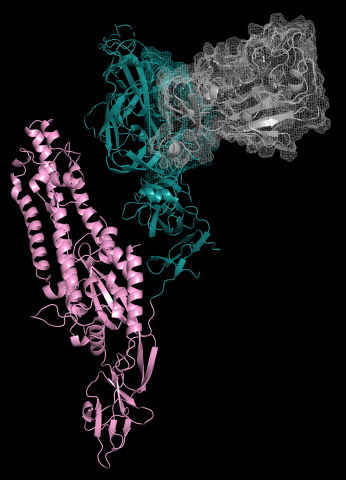
This project will enhance global capacity for monitoring companion animal coronaviruses through advanced sequencing technologies. Through this Cornell/Sydney collaboration, we will establish a Southern Hemisphere sequencing core at the Veterinary Pathology and Diagnostic Services Laboratory (VPDS) to complement Cornell’s existing sequencing core in the Northern Hemisphere. This project will facilitate the training of the Sydney team, led by Cornell experts, in next-generation sequencing techniques (Nanopore, with expansions to Illumina planned). This pilot will support the detection and management of feline coronavirus infections, including those causing feline infectious peritonitis (FIP), with potential expansion to other companion and wildlife species. The project aligns with Sustainable Development Goals, promoting global health (SDG 3), quality education (SDG 4), gender equality (SDG 5), and biodiversity (SDG 15). Results will be shared through publications and outreach, advancing both academic and societal understanding of zoonotic threats.
Empowering EMCRs through Global Networks: Advancing Collaboration on Climate and Zoonotic Disease Research
- Cornell PI: Raina Plowright, Public and Ecosystem Health, CVM
- USYD PI: Alison Peel, Faculty of Science
A 3D Printing Approach to Engineer Vascularized and Innervated Bio Membrane to Mimic Human Skin
- Cornell PI: Minling Ma, Department of Biological and Environmental Engineering, CALS
- USYD PI: Lifeng Kang, Faculty of Medicine and Health
Abstract
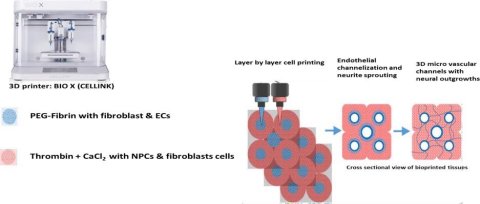
The application outlines a project combining our expertise in bioengineering, stem cells, developmental biology, pharmaceutical sciences, and 3D printing to address the timely issue of artificial organ development. In particular, the project will focus on the development of bioengineered live membranes to mimic human skin using a 3D printing method. To develop this method, novel biomaterials will be formulated for 3D printing, which are also suitable for tissue growth and medicinal use. Particularly, the biomaterials need to possess the proper mechanical strength and porosity suitable for vascularization and innervation. This can be achieved by mixing aerogel with hydrogel to form hierarchical interpenetrating networks. These live membranes have important applications in pharmacological and cosmetic testing and basic skin biology research. At the end of this project, a novel manufacturing method will be developed to engineer cell-based membranes, suitable for medical and pharmaceutical applications.
Innovation Guaranteed: A Framework to Induce Creativity from AI and Large Language Models
- Cornell PI: Dana Yang, Statistics and Data Science, CIS
- USYD PI: Bradley Rava, Business School
University College London–Cornell University
Optogenetic Control of Memory Prioritisation
- Cornell PI: Antonio Ruiz, Neurobiology & Behavior, A&S
- UCL PI: Daniel Bendor, Experimental Psychology
Abstract
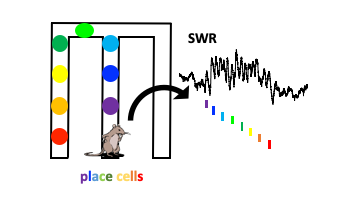
The brain can hold a vast amount of information, but its capacity is limited, requiring a selection process for what to remember or forget. Although the mechanisms of this "memory triage" are not fully understood, research indicates that consolidating experiences into long-term memories depends on hippocampal replay and sharp-wave ripple oscillations, where memory traces are reactivated. This memory reactivation is believed to facilitate plastic changes in the brain, leading to stable representations crucial for long-term retention. Importantly, more salient experiences, such as novel or rewarding events, tend to be replayed more often during sleep, which may prioritize them for consolidation. Optogenetically manipulating hippocampal ripples presents a valuable method for studying this memory triage process, enabling researchers to gain deeper insights into how memories are prioritized and consolidated, ultimately enhancing our understanding of memory formation and retention.
EPHEUS: Enhancing Preparedness for Heat Extremes in Urban Environments with Accurate Near-Surface Predictions
- Cornell PI: Qi Li, Civil and Environmental Engineering, ENG
- UCL PI: Ting Sun, Department of Risk and Disaster Reduction
Mineralomics of Cardiovascular Calcification
- Cornell PI: Lara Estroff, Materials Science and Engineering, ENG
- UCL PI: Sergio Bertazzo, Department of Medical Physics & Biomedical Engineering / London Centre for Nanotechnology / Engineering Faculty
Evaluating Cultural Differences in Mobility: Developing a Toolkit and Preliminary Investigations
- Cornell PI: Wendy Ju, Information Science, CIS
- UCL PI: Mark Colley, Computer Science
Abstract
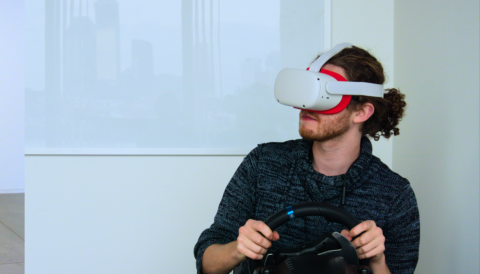
This project will evaluate cultural differences in mobility by developing a comprehensive toolkit through preliminary investigations and collaborative workshops. We will host two workshops—one at UCL and one at Cornell Tech—to explore and establish methodologies for assessing cultural driving differences using machine-learning-supported traffic evaluations. Between these workshops, we will develop a preliminary toolkit based on the identified requirements and conduct an initial data collection. The second workshop will assess this toolkit and discuss insights gained, which will inform further dissemination efforts and future funding applications. By uniting expertise from UCL and Cornell Tech, this initiative seeks to enhance our understanding of how cultural factors influence driving behaviors and mobility patterns, contributing to more effective and inclusive mobility solutions.
Universidad San Francisco de Quito–Cornell University
Unveiling Patterns of Anuran Diversity Along Elevational and Microhabitat Gradients in the Cordillera del Cóndor, Southern Ecuador
- Cornell PI: Molly Womack, Ecology and Evolutionary Biology, A&S
- USFQ PI: Carolina Reyes-Puig, Laboratorio de Zoología Terrestre, Colegio de Ciencias Biológicas y Ambientales (COCIBA)
Abstract
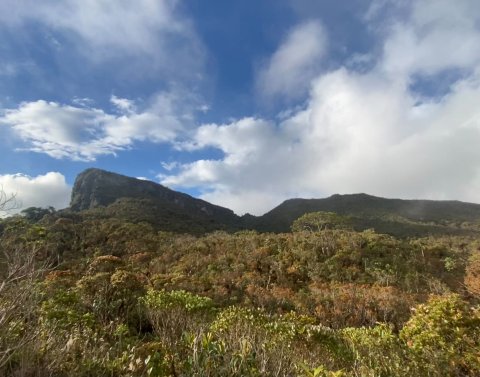
The Cordillera del Cóndor in southern Ecuador harbors unique ecosystems due to its geographic isolation and ecological diversity. Anurans in this region exhibit high levels of diversity and endemism, making them especially vulnerable to human activities. This study will assess anuran composition and diversity along an altitudinal and microhabitat gradient, examining the influence of environmental factors like temperature, humidity, and precipitation across four mountains. Using standardized methods, it will explore alpha and beta diversity to reveal local patterns and variations among communities. Additionally, the project will analyze how anuran traits, such as body size, are linked to environmental conditions. The findings will enhance our understanding of species composition and biogeographic patterns, providing insight into whether these respond to local isolation and environmental characteristics. The study will offer valuable information for future conservation strategies and contribute to understanding ecological processes affecting species susceptible to global change.
From Plate to Planet: Incentivizing Local Food Sourcing for Sustainable Tourism in the Galapagos Islands
- Cornell PI: Aaron Adalja, Applied Economics & Policy, Nolan School of Hotel Administration, JCB
- USFQ PI: Juan Carlos Valdivieso, Colegio de Hospitalidad, Arte Culinario, y Turismo
Assessing the Impact of Electoral Cycles on Political Polarization Dynamics
- Cornell PI: Santiago Anria, Global Labor and Work, ILR
- USFQ PI: Paolo Moncagatta, College of Social Sciences and Humanities
Genomic Characterization of Phenylketonuria and Cystic Fibrosis in Ecuador: Exploring Ancestry and Genetic Diversity for Improved Public Health Outcomes*
- Cornell PI: Mahboubeh Rahmati Rostami, Genetic Medicine, WCM
- USFQ PI: Vanessa Romero, Medicine, School of Life Sciences
*Note: Funded by Weill Cornell Medicine
Tracing Fish Migrations and Biodiversity Losses Through Community Science in the Ecuadorian Amazon
- Cornell PI: Pete McIntyre, Natural Resources and the Environment, CALS
- USFQ PI: Andrea Encalada, Biological Sciences
Abstract
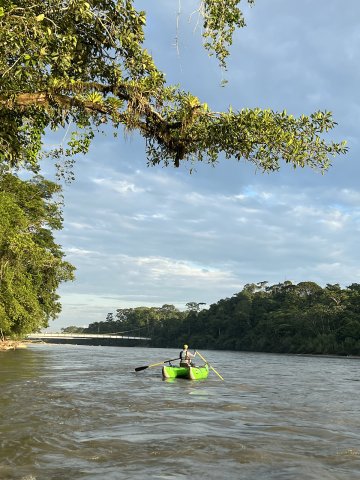
The headwaters of the Amazon bring life-sustaining nutrients from the Andes to the diverse plant, animal, and human communities lower in the basin. Although recognized for its global importance, the area faces threats from increasing human expansion and climatic anomalies. The resulting changes to river ecosystems and their biota jeopardize both human livelihoods and the world’s crown jewel of biodiversity. We will partner with a kayaking-oriented school, Yaku Churi, that connects Indigenous youth to their culture and waters. During their weekly runs down a set of six rivers, school students will collect environmental DNA and chemistry data across one year. The results will provide unprecedented insights into fish migrations and environmental dynamics. This exciting collaboration between Cornell and USFQ will break new ground in environmental science while empowering Indigenous youth to know and conserve their home waters.
University of Zambia–Cornell University
Validation and Transfer of Antibody Neutralization Assays for Rotavirus Vaccine Research in LMIC
- Cornell PI: Sarah Caddy, Baker Institute, VET
- Zambia PI: Masauso Phiri, Pathology and Microbiology, School of Medicine
Abstract
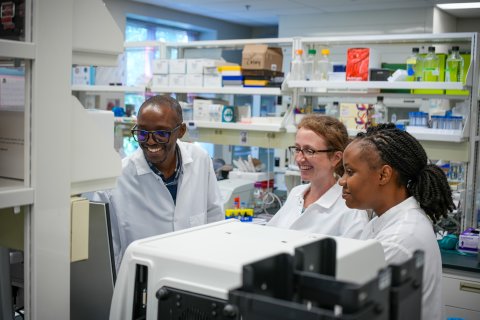
Rotavirus infection is a major cause of acute gastroenteritis in children, posing a significant public health threat in lower-middle-income countries (LMIC). While rotavirus vaccines demonstrate high efficacy in high-income countries, their effectiveness often drops below 60% in Zambia and other LMIC. Current measures of immune responses, primarily serum IgA, are inadequate correlates of protection, and a better understanding of immune responses after rotavirus vaccination is essential. To address this gap, the Caddy Lab has developed two neutralization assays—extracellular and intracellular—to evaluate rotavirus-specific antibodies in serum samples. These assays both use a fluorescent readout and have shown promise in predicting antibody effectiveness in mice. This study aims to validate these neutralization assays using serum samples from a Zambian rotavirus vaccine trial. In addition, we want to transfer these assays to an immunology laboratory in Zambia. This collaboration has the potential to enhance the evaluation of candidate rotavirus vaccine efficacy in children.
Interdisciplinary Approaches to Addressing and Eradicating Xenophobia
- Cornell PI: Beth Lyon, Law School
- Zambia PI: O'Brien Kaaba, Department of Public Law
Promotion of Traditional and Underserved Crops: African Eggplant Landrace Collection and Farmer Survey in Zambia
- Cornell PI: Gregory Vogel, School of Integrative Plant Science, CALS
- Zambia PI: Kalenga Banda, Department of Plant Science
Abstract
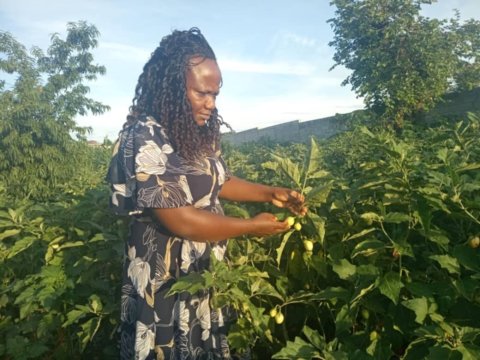
The African eggplant (Solanum aethiopicum) is an indigenous African vegetable grown mainly for its fruit and is among the target crops for promotion in Zambia under the recently launched crop diversification strategy, which aims to improve food security and climate resilience. The African eggplant has the potential to contribute to food security because of its resilience to biotic and abiotic stresses and its high content of dietary fiber, minerals, and vitamins. However, despite its local significance, crop improvement efforts and research investment have lagged behind in African eggplant compared to other crops. This proposal supports the initiation of a collaboration between African eggplant researchers at Cornell and the University of Zambia and aims to contribute to the development of this crop for improved food security and agro-biodiversity, through a preliminary characterization of local variety diversity and traditional farmer knowledge in Zambian communities.
2024
The 2024 research seed grant projects are funded from January 1 through December 31, 2024.
Chulalongkorn University–Cornell University
Integrating Cultural Competence and Diversity/Equity/Inclusivity Framework to Improve Healthcare for Underserved, Marginalized and Vulnerable Populations*
- Cornell PI: Thanakorn Jirasevijinda, Pediatrics, Weill Cornell Medicine
- Chula PI: Suttipong Wacharasindhu, Pediatrics, Chulalongkorn University Faculty of Medicine
*Note: Funded by Weill Cornell Medicine
Extraction of Recycled Monomers in Textile Recycling via Reactive Crystallization
- Cornell PI: Jin Suntivich, Materials Science and Engineering, ENG
- Chula PI: Nadnudda Rodthongkum, Metallurgy and Materials Science Research Institute
Abstract
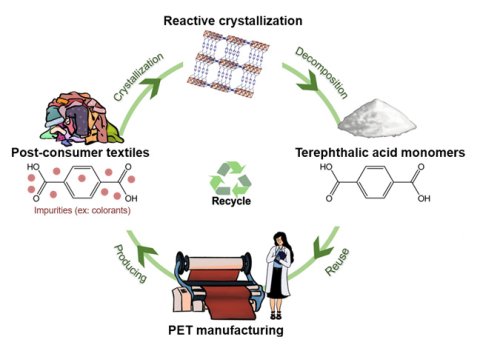
Polyethylene terephthalate (PET) is commonly used in textiles and plastic packaging. Unfortunately, its consumption produces nondegradable waste plastics, causing landfill and water contamination. Chemical depolymerization can enable the recycling of post-consumer PET by depolymerizing PET into the monomer building block. This method, however, requires post-depolymerization purification to remove functional additives (e.g., coatings and colorants). This proposed research focuses on studying the separation technologies for this post-depolymerization purification. Researchers from Chulalongkorn University and Cornell University will work to separate monomers from waste plastics by turning them into a metal-organic framework (MOF) and disassembling them into purified monomers to remove impurities. The outcome is the scientific knowledge of how the reactive crystallization purifies recycled TPA and how to reuse chemicals during depolymerization and purification to enable circular PET technologies.
New Kopitiams: Nostalgia Aesthetics, Cultural Appropriation, and Gentrification
- Cornell PI: Arnika Fuhrmann, Asian Studies, A&S
- Chula PI: Napong Rugkhapan, Department of Urban & Regional Planning Faculty of Architecture
Chula-Cornell Cure Collaboration: Advancing CAR Technology for HIV and Cancer Cure*
- Cornell PI: Lishomwa Ndhlovu, Medicine, WCM
- Chula PI: Koramit Suppipat, Faculty of Medicine
*Note: Funded by Weill Cornell Medicine
Abstract
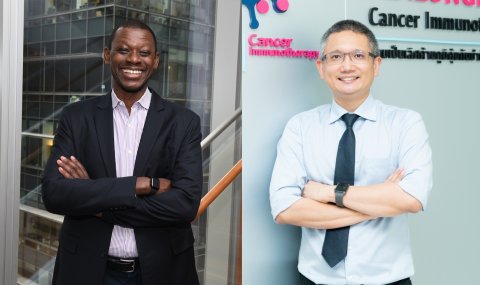
A cure for HIV has proven elusive given that HIV can hide in immune cells that are resting or in a latent state in people living with HIV. To achieve an HIV cure, our Weill Cornell Medicine team is currently developing a one-time immunotherapeutic for durable remission of HIV in the absence of anti-HIV treatment using pre-clinical models. Our Chulalongkorn University has developed clinical manufacturing protocols for cell therapies. Together we plan to advance knowledge using an engineered T cell (CAR-T) which involves removing a type of white blood cell—T cells—from a person’s blood, then genetically engineering it to make proteins and allow the CAR-T to enter the hiding place of HIV, attach, and kill the infected cells. We hope to make this a scalable global HIV cure and advance this work against cancer. Our joint expertise and collaborative spirit will create a foundation for innovative research towards success.
Smart City Transformation in Bangkok: A University-Led Urban Modeling Approach
- Cornell PI: Farzin Lotfi-Jam, Architecture, AAP
- Chula PI: Sutee Anantsuksomsri, Department of Urban and Regional Planning, Faculty of Architecture
Unlocking Bat Defenses: The Role of Bat MARCH2's Unique Amino Acid Sequence in Blocking Viral-Cell Fusion
- Cornell PI: Hector Aguilar-Carreno, Microbiology and Immunology, VET
- Chula PI: Supawadee Umthong, Biochemistry and Microbiology, Faculty of Pharmaceutical Sciences
Abstract
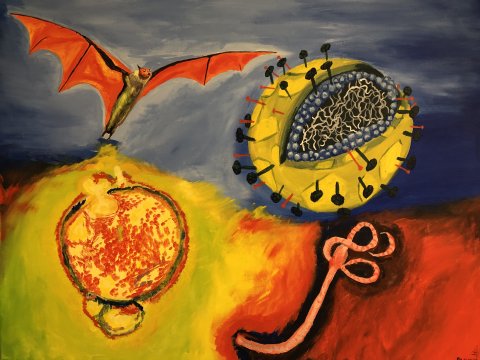
Viruses can cause devastating illnesses and global pandemics, yet bats exhibit a remarkable resistance and remain symptom-free when exposed to many deadly viruses. We are teaming up to learn from bats how they fight off diseases and to unlock the mysteries of bat antiviral defense to outwit lethal viruses such as Nipah, Ebola, and Coronaviruses. We will combine the cutting-edge viral entry and membrane fusion techniques from Aguilar-Carreno’s lab together with host-virus interaction research from Umthong’s lab to uncover bats’ antiviral mechanisms. Focusing on bats' MARCH2 protein, we've found a unique part in this protein that does not exist in humans but can boost human immunity against HIV-1. This intellectual fusion promises to advance our understanding of viral defenses, potentially leading to new treatments. Our joint efforts exemplify the benefits of international scientific collaboration and could lead to breakthrough treatments, enhancing our readiness for future viral outbreaks.
University of Edinburgh–Cornell University
From War at Home to War Abroad: Understanding the Experiences of Post-Conflict Peacekeepers
- Cornell PI: Sabrina Karim, Government, A&S
- Edinburgh PI: Maggie Dwyer, School of Social and Political Science
Darker Shades of Green: An Anthropological Framework for the Global Study of Right-Wing Environmentalisms
- Cornell PI: Chloe Ahmann, Anthropology, A&S
- Edinburgh PI: Zeynep Oguz, Social Anthropology/SPS
Boiling Point: Unraveling the Explosive Synergy of Volcanic Eruptions and Water
- Cornell PI: Olivier Desjardins, Mechanical and Aerospace Engineering, ENG
- Edinburgh PI: Eric Breard, School of Geoscience
Towards an Integrative Understanding of Host-Microbe Interactions Over Aging
- Cornell PI: Nicolas Buchon, Entomology, CALS
- Edinburgh PI: Jennifer Regan, Institute of Immunology & Infection Research, College of Science and Engineering
Learning from Perth West, Scotland: Benchmarking and Expanding a Hydrogen Hub for Socioeconomic and Health Impact Analysis in North America
- Cornell PI: Richard Geddes, Policy Analysis & Management, BBP
- Edinburgh PI: Sean Smith, School of Engineering
University of Ghana–Cornell University
Water and Waste in Urban Informal Settlements in Accra, Ghana
- Cornell PI: Victoria Beard, City and Regional Planning, AAP
- Ghana PI: Austin Ablo, Department of Geography and Resource Development
Abstract
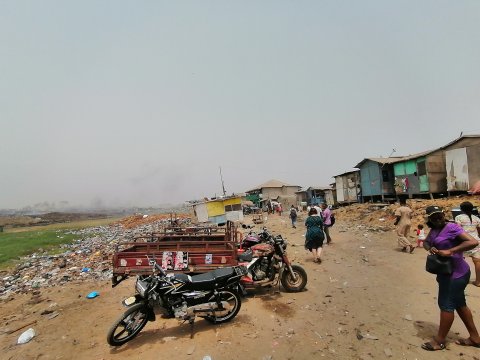
Accra, Ghana, like many cities around the world, is urbanizing at an unprecedented pace. Rapid urbanization and unplanned growth has forced many urban residents into informal settlements that lack municipal services, such as water, basic sanitation, and solid waste management. Conditions in informal settlements leads to environmental degradation, negative public health outcomes, and hinders economic vitality. What can be done to improve lives and livelihoods in these underserved communities? This project will address this question by co-developing a research agenda that informs action on the ground. The project team, co-led by Professor Victoria A. Beard and Dr. Austin Ablo of the University of Ghana, will conduct a literature review, site visits to four informal settlements, and a one-day workshop in Accra. This initial collaboration will lay the groundwork for future research and action on informal settlement upgrading, develop a diverse stakeholder group dedicated to improving conditions in settlements, and target the resources necessary to achieve meaningful and scalable impact for these communities.
Hong Kong University of Science and Technology–Cornell University
Medical Generalist Artificial Intelligence for Chest X-ray via Large Language and Vision Models*
- Cornell PI: Yifan Peng, Population Health Sciences, WCM
- HKUST PI: Hao Chen, Computer and Science Engineering
*Note: Funded by Weill Cornell Medicine
Leveraging Virtual Reality to Improve Navigation Abilities in Seniors with Mild Cognitive Impairment
- Cornell PI: Saleh Kalantari, Human Centered Design, CHE
- HKUST PI: Bertram SHI, Electronic and Computer Engineering, School of Engineering
Abstract
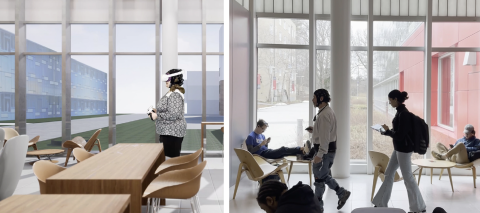
Navigation and wayfinding can be difficult for older adults, especially those with cognitive decline. Digital environments, such as digital games, may improve cognitive functions and wayfinding performance. This project tests the effects of wayfinding training in virtual reality on wayfinding performance in the real world. This study is cross-cultural: half the subjects will be recruited and assessed in the United States (at Cornell) and the remaining half in Hong Kong (at HKUST). This bifurcated approach ensures a broader spectrum of participant backgrounds, thereby facilitating the design of the application for a more diverse group of older adults. This study aims to shed light on the potential advantages of virtual reality intervention, offering valuable insights guiding the future development of applications designed to enhance wayfinding and navigational skills in older adults.
The PIs are also collaborating with:
Unlocking Content-Sharing Platform Potential: A Data-Driven Strategy for Optimizing Creator Integration
- Cornell PI: Yichun Hu, Operations, Technology, and Information Management, JGSM/JCB
- HKUST PI: Ruohan Zhan, Department of Industrial Engineering and Decision Analytics
Boycotts, Buycotts, Ethical Consumption and Investor’s Extrapolative Beliefs
- Cornell PI: Jura Liaukonyte, Marketing, Dyson/JCB
- HKUST PI: Alminas Zaldokas, Finance
Abstract
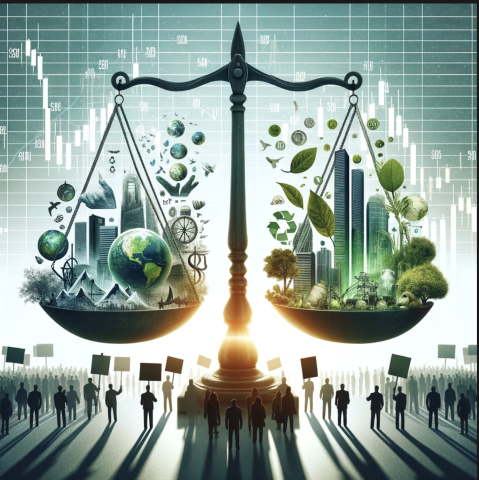
We propose to investigate the financial market impacts of consumer responses, including brand boycotts and buycotts, following firm-level environmental and social (E&S) scandals. We study the discrepancy between anticipated ethical consumption and actual consumer actions. Stock price reactions after the E&S scandals can hardly be explained by cash flow effects from consumption changes. We posit that short-term changes in ethical consumption might be misconstrued in financial markets due to extrapolative beliefs investors hold about ethical consumers, potentially overestimating the boycotts' and buycotts' effects on the implicated firm's cash flows. Our approach is to quantify these extrapolative beliefs using granular consumer purchase panel data in the U.S. We'll leverage variation in firm-level customer inertia, inferred from the firm’s consumer profiles and historic purchase patterns, notably brand loyalty and switching patterns. We'll then explore if this inferred brand-level inertia can explain the gap between firms’ immediate cash flow changes and stock price reactions post-scandal.
This project brings together cross-disciplinary PIs from marketing and finance. Liaukonyte (Cornell) brings expertise in consumer boycotts and boycotts in the consumer product arena, while Zaldokas (HKUST) has expertise on E&S scandals and their influence on investor behavior."
King's College London–Cornell University
The Politics of Labor Market Outsiders in the Middle East and North Africa: Insights from Tunisia
- Cornell PI: Dina Bishara, Global Labor and Work, ILR
- King's PI: Ferdinand Eibl, Political Economy
Fixing Democracy Through Participatory Governance
- Cornell PI: Alexandra Cirone, Government, A&S
- King's Co-PI: Federica Carugati, History and Political Economy
- King's Co-PI: Gabriel Leon-Ablan, Political Economy
War and the State*
- Cornell PI: Ruth Lawlor, History, A&S
- King's PI: Jonathan Fennell, Defense Studies
*Note: This is a tripartite project with UCL that also received a UCL-Cornell Seed Grant.
Abstract
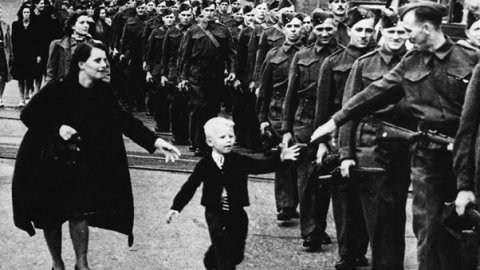
What is modern war? What is the nature of the violence it entails? What are the boundaries between the legitimate and illegitimate uses of force? To answer these fundamental questions, the “War and the State” project analyses war as a conflict not just between armies but between societies, a social activity that is shaped by the economic and political structures of the society from which it emerges and made possible by the capacity of the modern state for organized violence. In so doing, the project brings together traditional operational histories as well as new work on civil-military relations, recognizing that the structures of warring societies—including their race and gender hierarchies, divisions of labor, and conceptions of citizenship—are a central factor in understanding changes in battlefield tactics, grand strategy, the new technologies with which wars are won and lost, and the kinds of demands that the state can make on its people.
Digitally Safe and Secure Migration: A Comparative Study Between the UK and the US
- Cornell PI: Rebecca Slayton, Science & Technology Studies, A&S
- King's PI: Kovila Coopamootoo, Computer Science, Faculty of Natural, Mathematical & Engineering Sciences
Side Chain Engineering of Mixed Transport Materials for Bioelectronics
- Cornell PI: Christopher Ober, Materials Science and Engineering, ENG
- King's PI: Micaela Matta, Chemistry, NMES
National University of Singapore–Cornell University
Machine Learning for Revealing Decisive Factors in Microwave-Assisted Pyrolysis of Biomass and Plastic Wastes
- Cornell PI: Shuwen Yue, Chemical and Biomolecular Engineering, ENG
- NUS PI: Ka Ming YU, Civil and Environmental Engineering, College of Design and Engineering
Abstract
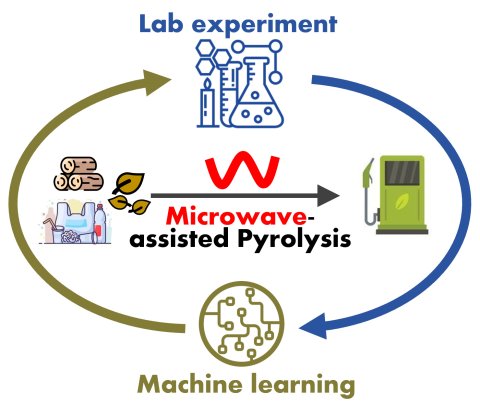
Microwave-assisted pyrolysis (MAP) is a promising technology to recover energy from various waste materials, including biomass and plastics while offering higher energy efficiency than today’s waste-to-energy incinerators. One of the barriers hindering MAP commercialization is the vast variety of feedstocks, of which the composition varies with waste sources and impacts the energy density of MAP products. This project aims to unravel the complex correlations among feedstock properties, MAP operating parameters, and product characteristics, by performing structured data mining from MAP-related literature, followed by machine learning model development and training. Our data-driven approach will identify critical factors to advise future process design and potential digitalization, with the goal of securing a steady supply of compliant feedstocks and high consistency in product quality. The project outcomes will facilitate field-scale MAP to produce energy-dense bio-oils and H2-rich pyrogas, promoting energy transformation and driving toward Sustainable Development Goals.
Enhancing Urban Resilience to Hydroclimate Extremes by Coupling Physics-informed Climate Shocks with Network Analysis
- Cornell PI: John Albertson, Civil and Environmental Engineering, ENG
- NUS PI: Xiaogang He, Civil and Environmental Engineering
Theorizing Singapore as a Global Hub of Capitalism: Culture, History, and Environment
- Cornell PI: Juno Parrenas, Science and Technology Studies, A&S
- NUS PI: Faizah Zakaria, Southeast Asian Studies / Faculty of Arts and Social Science
Abstract
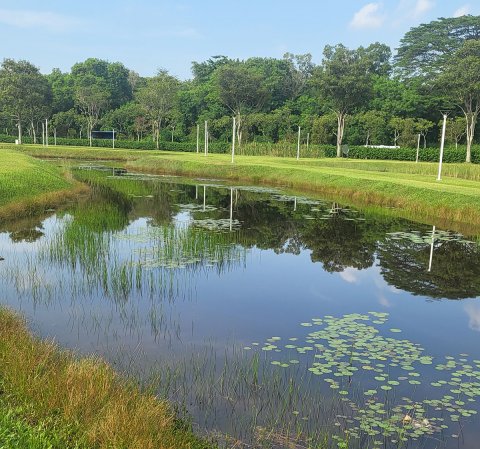
Theories of global capitalism often occlude Singapore, a uniquely multicultural and global hub of commerce with one of the highest GDPs per capita in the world. This proposed seminar brings together scholars from Cornell and NUS in anthropology, history, science and technology studies, and environmental history. We will facilitate both a workshop in January 2025 for collaborative field research and a podcast series. Both will consider the global emergence of Singapore from a fishing village to a global hub of capitalism. The workshop and podcast field sites include wet markets, wetlands, the causeway border, and construction sites. The podcast recordings will feature perspectives from people who illuminate conditions of capitalism in Singapore and their ambient soundscapes. The podcast offers contrast and comparison to other global hubs of capitalism and will be accompanied by a collection of essays generated from the workshop. Together they seed future conference and research grant proposals.
Queen Mary University of London–Cornell University
Race and Racialization in the Balkans, the Middle East, North, and East Africa
- Cornell PI: Mostafa Minawi, History, A&S
- QMUL PI: Keren Weitzburg, History
Fingerprinting Our Bones: Linking the Architecture and Mechano-Sensitivity of the Osteocyte Network
- Cornell PI: Karl Lewis, Biomedical Engineering, ENG
- QMUL PI: Stefaan Verbruggen, School of Engineering and Materials Science
Demographic Inference from Cost-Effective DNA Sequencing Experiments Using Deep Learning
- Cornell PI: Nina Overgaard Therkildsen, Natural Resources and the Environment, CALS
- QMUL PI: Matteo Fumagalli, School of Biological and Behavioural Sciences
Abstract
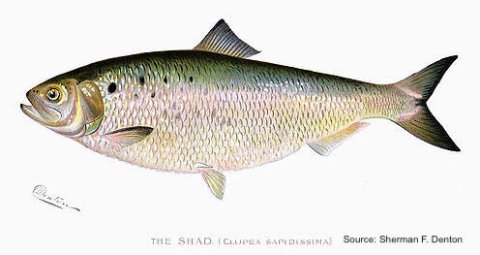
Current patterns of genetic variation carry important information about demographic processes, such as population growth, contraction, or migration, that have shaped species in the past. Deep learning algorithms have recently emerged as a powerful framework for recovering that information, but it is still unclear how they cope with the uncertainty and error that result from cost-effective sequencing strategies often used for non-model species. We propose to design and deploy a novel deep learning algorithm which accommodates for sparse and uncertain low-coverage sequencing data, and test this on an empirical example, using data on the American shad, a fish species of conservation concern with known major demographic shifts in the recent past. This new algorithm and proof-of-concept should make demographic inference more accessible for a broader set of organisms, which can help yield a better understanding of evolutionary history and valuable insights for conservation.
Citizens' Positions: Democracy, Trust and Governance
- Cornell PI: Rachel Riedl, Government, A&S
- QMUL PI: Andrea Tessei, School of Economics and Finance
Bridging Worlds: Indigenous Leadership, Conservation, and Planetary Health in Ecuador
- Cornell PI: Richard Stedman, Natural Resources and the Environment, CALS
- QMUL PI: Doreen Montag, Centre for Public Health & Policy
Abstract
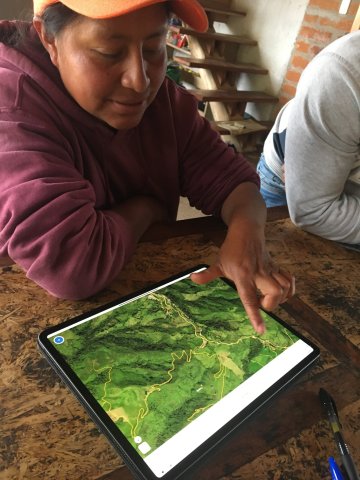
Indigenous Peoples globally continue to struggle for their land rights, health, food security, and livelihoods. Increasing pressures to combat climate and planetary crises, coupled with increasing global demand for energy and minerals, have fueled conflicts in areas of high bio and cultural diversity. Often such places are also rich in fossil fuels and minerals. Continued forest and ecosystem degradation and biodiversity loss pose increasing risks for local people’s livelihood and potential zoonotic spillovers and pandemic risks.
In Ecuador, Indigenous Nations and Nature itself have legal rights in the constitution. These rights are threatened by the forces described above. Our project will co-produce—with Indigenous leaders in the most biodiverse area of the Amazon—a research proposal that addresses two linked phenomena: the challenges of illegal mining and livelihood and ecosystem implications of cessation of fossil fuel extraction. This project will contribute to decolonizing and indigenous methodologies, and continued efforts to empower Indigenous Nations and sustainable development.
University of Sydney–Cornell University
Advancing PET-Guided Diagnostic and Treatment Response Assessments for Immuno-Oncology Patients: A Comparative Study of Total-Body Generalized vs. Standard Patlak and Conventional SUV PET Imaging*
- Cornell PI: Nikolaos Karakatsanis, Radiology, WCM
- USYD PI: Georgios Angelis, School of Biomedical Engineering
*Note: Funded by Weill Cornell Medicine
Abstract
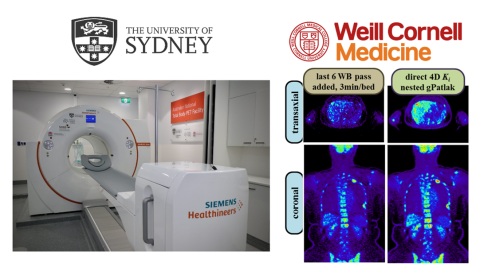
Positron Emission Tomography (PET) is a powerful human cancer imaging exam for tracking tumors throughout the body based on their higher sugar consumption, following injection into the blood of a dose of radioactive sugar, known as Fluorine-18 fluorodeoxyglucose (18F-FDG). However, 18F-FDG PET exams can be confusing when part of the absorbed 18F-FDG escapes back into the blood or when immune-boosting therapies increase body sugar consumption through inflammation to fight cancer. To improve the exam’s accuracy, we combine the Siemens Biograph Vision Quadra, a state-of-the-art ultra-sensitive PET scanner at the Australian National Total-Body PET Facility and the University of Sydney, with direct generalized Patlak image reconstruction, an advanced dynamic PET analysis method developed at Weill Cornell Medical College in New York, to display the rate of body sugar consumption after accounting for blood sugar levels. This novel combination will help researchers better distinguish treatment effects from inflammation, advancing our understanding of cancer therapy.
Assessing the Impact of Nutrition Behaviour Change Communication Activities on Maternal, Infant, and Young Child Feeding Knowledge and Behavior Among the Neighboring Non-Participants in the Shonjibon Cash and Counseling Trial in Rural Bangladesh
- Cornell PI: John Hoddinott, Nutritional Sciences, CHE
- USYD PI: Elizabeth Kirkwood, Faculty of Medicine and Health, School of Public Health
Abstract
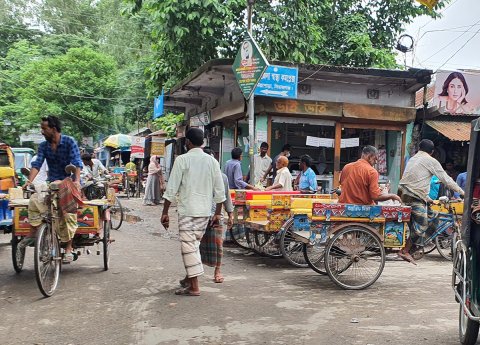
This project extends a research collaboration between USYD, Cornell, and ICDDR,B on the Shonjibon Cash and Counselling (SCC) Trial. The SCC Trial involves an unconditional cash transfer and nutrition counseling delivered on a mobile app, aiming to reduce childhood stunting in rural Bangladesh. Previous work has shown when nutrition counseling is provided in-person, knowledge "spills over" to non-participant households. Providing information via mobile phones is less expensive than in person; however, it is not known if the same degree of spillover occurs when information is provided through mobile telephony. We will use mixed methods to survey "neighboring" mothers and assess the SCC Trial spillover.
Co-Sense: Enabling Enhanced Perception in Autonomous Vehicles through a Multi-Sensor Fusion and Collaborative Communication Framework
- Cornell PI: Kilian Q. Weinberger, Computer Science, CIS (also ENG)
- USYD PI: Stewart Worrall, Engineering, School of Aerospace, Mechanical and Mechatronic Engineering
The Central Role of Communication in Efforts to Advance Health Equity
- Cornell PI: Jeff Niederdeppe, Communication, CALS (also BBP)
- USYD PI: Olaf Werder, Discipline of Media & Communications, Faculty of Arts & Social Sciences
Abstract
This partnership will form an international and multi-sectoral network of scholars and practitioners working jointly on improving equitable outreach and care in health communication partnerships to investigate the central role of communication in contemporary health equity debates. It will analyze the ways that political leaders, health officers, journalists, and health promoters shape public narratives about healthcare, health inequity, and structural determinants of health, with the goal of arriving at strategies or interventions that facilitate the reduction of health inequalities. Through generative conversation and convening in Sydney in the summer of 2024, we will launch the first large-scale investigation of the multi-layered communicative and policy dimensions across the United States and Australia, producing both scholarly and public-facing reports on narrative change and health policy equity. In the months following the symposium, we will build on this foundation to develop competitive grant proposals to broaden the scope and impact of the collaboration.
Understanding the Regulation of Gene Expression Across Lifespan and Generations
- Cornell PI: Siu Lee, Molecular Biology & Genetics, A&S
- USYD PI: Alyson Ashe, School of Life and Environmental Sciences
University College London–Cornell University
Wellness and Mental Health Symposium and Cross-cultural Research
- Cornell PI: Mardelle Shepley, Human Centered Design, CHE
- UCL PI: Evangelia Chrysikou, The Bartlett School of Sustainability
Advancing UCL-Cornell Collaboration on Environmental Health Equity Under Globalization
- Cornell PI: Chuan Liao, Global Development, CALS
- UCL PI: Zhifu Mi, Bartlett School of Sustainable Construction
Abstract
This joint research project aims to foster collaborative research between UCL and Cornell and advance our understanding of environmental health equity in the context of globalization. It will leverage UCL's expertise in investigating the environmental consequences of international trade and Cornell's expertise in assessing health equity resulting from environmental pollution. The project will focus on the tele-coupled nature of global trade to examine how consumption patterns in one region lead to cross-border pollutant emissions, which further impact populations disproportionately along the Global Value Chain. By adopting a consumption-based perspective, we will quantify the air pollution embodied in international trade and assess its induced health ramifications. Through a decade-long retrospective analysis, the study will also explore how evolving trade patterns have altered environmental impacts. Our findings will shed light on the unequal health consequences arising from global trade and provide insights for coordinated pollution mitigation strategies.
Building Engineering Education Research Capacity for a Diverse 21st Century Workforce
- Cornell PI: Allison Godwin, Chemical and Biomolecular Engineering, ENG
- UCL PI: John Mitchell, Communications Systems Engineering
Abstract
Rapid shifts in technology demand an engineering workforce prepared to leverage large amounts of data for evidence-based decision-making. However, many engineering programs have not kept pace with the data literacy skills needed. Additionally, current engineering undergraduate enrollment and job placement trends indicate slow progress in increasing gender and racial/ethnic diversity in the United States and the United Kingdom. This project brings together engineering education research across Cornell University and University College London to build capacity for cross-national research to support student development of knowledge, skills, and attitudes to support a diverse and well-prepared engineering workforce in three research foci: 1) experiential learning, 2) data literacy, and 3) broadening participation in engineering to support workforce development. As engineering education emerges as a research field capable of creating solutions to these pressing problems, the growing expertise at these institutions provides an opportunity to develop cutting-edge scholarship to support these essential student outcomes.
Can We Control the Climate? Reconciling Technical, Scientific, and Political Constraints on Stratospheric Aerosol Injection Deployment Strategies
- Cornell PI: Douglas MacMartin, Mechanical and Aerospace Engineering, ENG
- UCL PI: Peter Irvine, Earth Sciences
War and the State*
- Cornell PI: Ruth Lawlor, History, A&S
- UCL PI: Nick Witham, History
*Note: This is a tripartite project with King's College that also received a King's-Cornell Seed Grant.
Abstract
What is modern war? What is the nature of the violence it entails? What are the boundaries between the legitimate and illegitimate uses of force? To answer these fundamental questions, the “War and the State” project analyses war as a conflict not just between armies but between societies, a social activity that is shaped by the economic and political structures of the society from which it emerges and made possible by the capacity of the modern state for organized violence. In so doing, the project brings together traditional operational histories as well as new work on civil-military relations, recognizing that the structures of warring societies—including their race and gender hierarchies, divisions of labor, and conceptions of citizenship—are a central factor in understanding changes in battlefield tactics, grand strategy, the new technologies with which wars are won and lost, and the kinds of demands that the state can make on its people.
Universidad San Francisco de Quito–Cornell University
Comparative Genomics of Listeria Isolates from Ready-to-Eat Foods in Ecuador: Implications to Public Health in Ecuador and Abroad
- Cornell PI: Renato Orsi, Food Science, CALS
- USFQ PI: Lorena Mejia, Instituto de Microbiologia, College of Biological and Environmental Sciences
Abstract
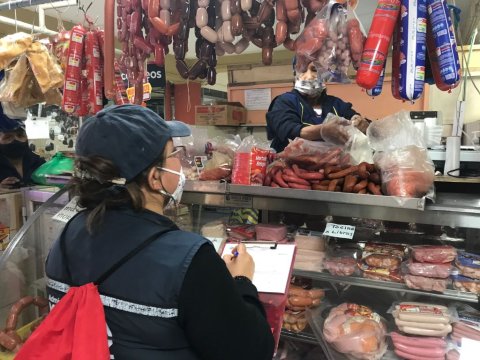
Listeria monocytogenes is a foodborne pathogen that causes listeriosis, a severe infection with a 15-25% mortality rate afflicting mainly immunocompromised individuals, the elderly, and pregnant women. In Ecuador, listeriosis is not a notifiable disease, so reliable estimates of the burden of the disease are unknown. Nevertheless, previous studies suggest contamination with L. monocytogenes in different foods (36% in artisanal cheeses, and 16% in meat products). In this study, we will sequence the genomes of 51 L. monocytogenes isolates from ten types of ready-to-eat foods commonly found and consumed in Ecuador. These data will then be used to identify virulence genes and assess whether these Ecuadorian food isolates are closely related to previously sequenced Ecuadorian clinical and cheese isolates, and to global clinical L. monocytogenes isolates present in public databases. In addition, isolates showing different pathogenic potential will be assessed for their lethality in the zebrafish embryo model system.
Diversity and Adaptation in the Andean Blueberry: Genomic Insights into Plant Survival at Environmental Extremes
- Cornell PI: Chelsea Specht, Integrative Plant Science, CALS
- USFQ PI: Maria de Lourdes Torres, College of Biological and Environmental Sciences
Abstract
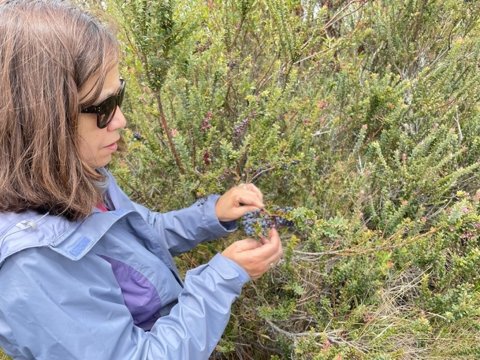
The Andean blueberry (Vaccinium floribundum) is found in the paramo, a high-altitude ecosystem unique to the Andean highlands. In order to live in this habitat, it has evolved remarkable adaptations to withstand the harsh environmental conditions and seasonally limited access to nutrients and water. A collaboration between the Plant Biotechnology Laboratory (USFQ) and the Specht Laboratory (Evolution of Plant Form and Function) at Cornell University aims to better understand the genetic and evolutionary basis of these adaptations. Through comparative genomic analyses, we aim to discover the genetic signatures that distinguish high-altitude populations from their lower-land counterparts. Using genomic techniques within an evolutionary framework, we aim to identify the genetic factors that allow the Andean blueberry to adapt to extreme paramo conditions such as high altitude, intense UV radiation, freezing temperatures and limited oxygen. With profound implications for understanding and mitigating the effects of climate change, this research promises to develop strategies to protect vulnerable ecosystems and the conservation of endemic plant species of biological and cultural value to the Andean region.
Rivers, Rights, and the Ecosystem of Urban Life
- Cornell PI: Mildred Warner, Global Development (also City and Regional Planning), CALS (also AAP)
- USFQ PI: Andres Martinez-Moscoso, Colegio de Jurisprudencia
Abstract
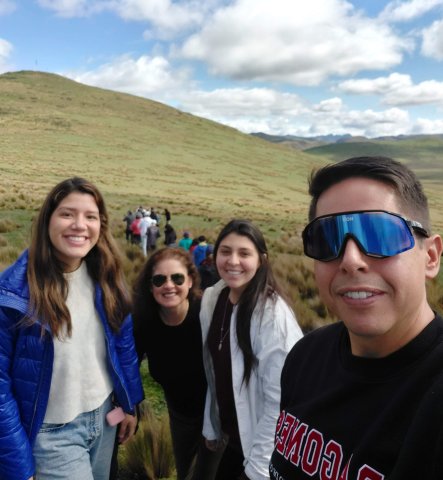
Ecuador is the first country to enshrine 'rights of nature' in its constitution. Since 2008 advocates have used this to push for the protection of rivers, forests, and wildlife. In the US, advocates are beginning to use 'rights of nature' as a legal argument as well, but without the constitutional support found in Ecuador. In Ecuador, these cases open up new avenues for protecting nature and have been used by urban residents, youth and indigenous people to protect their rivers and water supply and force attention to climate change. This study will explore these legal approaches, and their impacts on the environment, the city, and the state. The research will be presented to the Latin American and Caribbean Studies Program at Cornell, the Land, Climate, and Justice Conference at the University of Virginia School of Law, and to a workshop in Ecuador on how cities can protect the rights of nature.
Building Local Capacity And Improving AI-powered Automated Acoustic Identification For Robust Avian Monitoring In The Western Amazonian Biodiversity Hotspot
- Cornell PI: Glenn Seeholzer, Cornell Lab of Ornithology, CALS
- USFQ PI: Gonzalo Francisco Rivas-Torres, Colegio de Ciencias Biológicas y Ambientales
Abstract
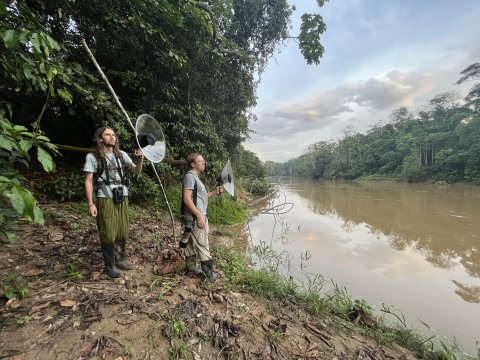
Identification of songs and calls is the best way to monitor imperiled Amazonian bird communities. There are few trained observers in this region but an ever-increasing amount of audio survey data from automated recorders. There is thus an urgent need to train AI tools to identify bird sounds in audio recordings. Merlin Sound ID is an AI tool for bird sound identification developed by the Cornell Lab of Ornithology. Merlin's precision, efficiency, and scalability make it an ideal tool to monitor bird populations in the Amazon, yet 65% of the region's species are not yet supported. To improve the identification abilities of Merlin, USFQ and Cornell will increase the number of recordings of Amazonian birds by expanding local capacity to record bird sounds. This project will be based at USFQ's Tiputini Biodiversity Station, where we will pilot the use of Merlin to analyze standardized audio survey data collected there.
Fisheries, Fishing Communities and Whale Populations in a Changing World: Effects of Climate Change, Drug Trafficking and Ghost Nets on Community, Wildlife and Ecosystem Health
- Cornell PI: Amelia Greiner Safi, Public and Ecosystem Health, VET
- USFQ PI: Judith Denkinger, COCIBA
Abstract
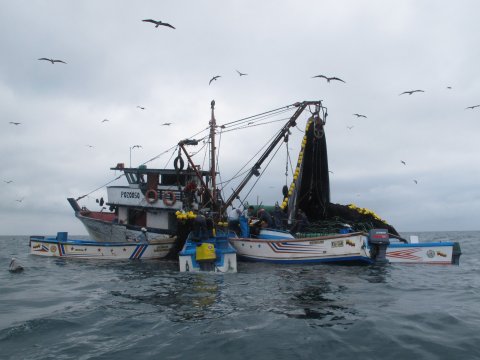
In northern Ecuador, the tropical province of Esmeraldas hosts a richly biodiverse marine landscape. Resulting tourism, fisheries, and aquaculture support local livelihoods. However, a shift in drug trafficking from Colombia to Ecuador has increased piracy. That piracy is negatively impacting the ecosystem and fishing communities. The proposed research takes a systems approach to understanding the cascading impacts of narco-trafficking piracy and abandoned, lost, or discarded fishing gear (ALDFG) - or ghost nets. Pirates often force fishers to discard fishing gear; the resulting ALDFG then harms reef ecosystems, cetacean health (as whales are caught by the discarded nets) and fisheries. Piracy harms locals by threatening safety, food security, and incomes. We use data from ecosystem monitoring and interviews with local fishers to analyze the connections between ecosystem status, fishery health, and well-being of the local population. We aim to provide a baseline for future collaborations to enhance the integration of ecosystem and social health.
Scientific Collaborators: Annalise Povolo, Gabriela Navarrete
2023
The 2023 research seed grant projects are funded from January 1 through December 31, 2023.
University of Edinburgh–Cornell University
Does a Strange Subunit of Nature’s Primary CO2-Fixing Enzyme Change its Kinetics and Promote Liquid-Liquid Phase Separation?
- Cornell PI: Laura Gunn, Plant Biology, School of Integrative Plant Science, CALS
- Edinburgh PI: Alistair McCormick, Institute of Molecular Plant Sciences, School of Biological Sciences
Frontiers of Finance: Debt, Insurance, and Financial "Innovation" in Kenya
- Cornell PI: Amiel Bize, Anthropology, A&S
- Edinburgh PI: Kevin Donovan, African and Development Studies
Preparing for Flight: How do Malaria Parasites Maximize Transmission
- Cornell PI: Megan Greischar, Ecology and Evolutionary Biology, CALS
- Edinburgh PI: Sarah Reece, Institute of Ecology and Evolution and Institute of Immunology and Infection Research, School of Biological Sciences
Abstract
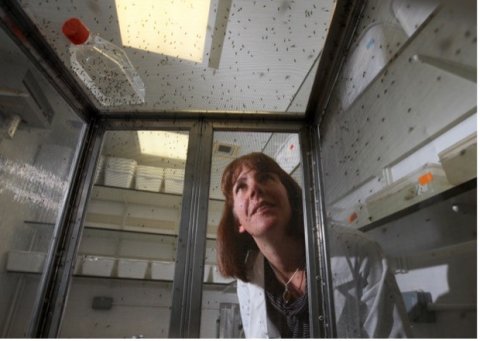
Life in seasonal environments means facing extreme environmental fluctuations. The re-emergence of mosquito vectors at the end of the dry season means that malaria parasites must switch from persistence within a host to transmission. The rapid increase in malaria cases at the beginning of each wet season suggests malaria parasites achieve this by sensing the presence of vectors. We propose that malaria parasites respond to the introduction of chemicals in the saliva injected by mosquitoes during blood feeding - as demonstrated for another insect-borne pathogen, Leishmania. We will test this hypothesis, revealing new and sophisticated strategies for malaria parasites and establishing a novel target for interventions that are urgently needed to break the transmission cycle. By establishing proof of principle that malaria parasites up/down-regulate their transmission activities in line with seasonal increases/decreases in mosquito population dynamics, we will use the resulting publication as the basis for a large, collaborative grant application.
Did We Spot Life? False Biosignatures in Exoplanet Reflectance Spectra
- Cornell PI: Lisa Kaltenegger, Astronomy, A&S
- Edinburgh PI: Sean McMahon, School of Physics and Astronomy and School of GeoSciences
Assisting Bird Audio Identification With On-Device Machine Learning Model for Species Range Estimation
- Cornell PI: Jessie Barry, Cornell Lab of Ornithology, CALS
- Edinburgh PI: Oisin Mac Aodha, School of Informatics
Making the Thermal Future: A Cornell-Edinburgh Platform for Interdisciplinary Collaboration
- Cornell PI: Alex Nading, Anthropology, A&S
- Edinburgh PI: Jamie Cross, Social Anthropology
Abstract
From the impact of net zero targets on energy systems to the impact of acute heatwaves on health, climate change is driving innovations in thermal technologies and infrastructures. A new thermal future is being made. This project seeks to understand the social and economic implications of the thermal future. Our focus is on the emerging solutions to heating and cooling that connect diverse communities of people: from those who see heating and cooling innovations as sources of commercial value, to those who see heating and cooling as something to be technically managed, to those who see heating and cooling through the prism of labor and justice. Our collaboration will establish an interdisciplinary, cross-campus scholarly network capable of seeding future research and funding opportunities, and it will catalyze disciplinary work in the qualitative social sciences on the making of the thermal future.
GEOHUB: A Trans-Atlantic Collaboration on Deep Geothermal Energy Risk Communication (Part I)
Three-way project with Cornell, University of Edinburgh, and King's College
- Cornell PI: Katherine McComas, Communication, CALS
- Edinburgh PI: Darrick Evensen, Department of Politics and International Relations
Abstract
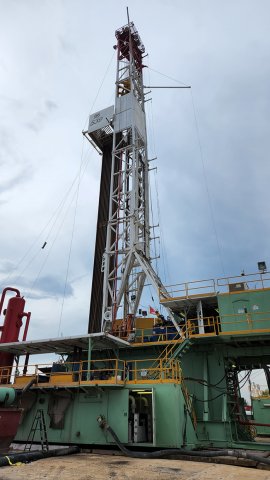
Our project will establish GEOHUB, a trans-Atlantic deep geothermal energy research collaboration between Cornell, Edinburgh University, and King’s College London. Recent advances in deep geothermal systems, like Cornell’s Earth Source Heat Project, have made considerable renewable energy extractable worldwide. Widespread adoption of this emerging technology could significantly address climate change and energy insecurity. Past resistance to new energy technologies exemplifies why research is needed to avoid communication failures and engage the public before controversies occur. To establish durable foundations for GEOHUB, we will: (1) Conduct a cross-national comparative US-UK survey to define a baseline of public concerns, values, and perceptions of deep geothermal energy, (2) Publish the findings in a scientific journal, (3) Organize a multi-stakeholder workshop at King’s to strengthen our European network, (4) Conduct an academic workshop at Edinburgh to discuss GEOHUB’s future directions, and (5) Submit a joint international grant application to help guarantee the durability of our collaboration.
Advancing Cornell-Edinburgh Leadership in Sustainability Education*
- Cornell Co-PI: Marianne Krasny, Natural Resources and the Environment, CALS
- Cornell Co-PI: Alex Kudryavtsev, Research Fellow, CALS
- Edinburgh PI: Beth Christie, Moray House School of Education and Sport
Abstract
Current environmental, economic, and social crises require urgent action at global, national, and local levels. Local communities can respond by taking civic actions—such as engaging in environmental policy-making and political activism, critiquing and influencing social norms, facilitating civic ecology education, and organizing stewardship projects. Through this research, the Cornell-Edinburgh partnership will lay the foundation for an online sustainability education course for community leaders and educators globally to prepare them to take local civic actions for sustainability. The Cornell-Edinburgh research team will conduct a series of interviews with government and civic informants in the UK and the U.S. to inform online teaching focused on sustainability and civic action. We will create recommendations for an online course focused on equity, cultural contexts, civic engagement, and horizontal exchange of ideas to strengthen local sustainability actions. The research results will also be published and used to leverage funding for the development of the collaborative online sustainability education course. Alex Kudryavtsev is working closely with Co-PIs Marianne Krasny and Beth Christie on this project.
*Funded through Cornell ICC grants
Hong Kong University of Science and Technology–Cornell University
Competing or Complementary Hegemons? An Analysis of the West’s Responses to China’s Belt and Road Initiative
- Cornell PI: Ding Fei, Global Development, CALS
- HKUST PI: Naubahar Sharif, Division of Public Policy
CryoEM Structures of Eukaryotic DNA Replication Complexes
- Cornell Co-PI: Marcus Smolka, Molecular Biology and Genetics, CALS
- Cornell Co-PI: Bik-Kwoon Tye, Molecular Biology and Genetics, CALS
- HKUST PI: Shangyu Dang, Division of Life Science
Measuring the Evolution of Urban Renewal in the United States Using Satellite Imagery and Deep Learning
- Cornell PI: Wenfei Xu, City and Regional Planning, AAP
- HKUST PI: Fan Zhang, Civil and Environmental Engineering
Understanding the Interaction Between Compound Heat Waves and Urban Heat Island Effect
- Cornell PI: Qi Li, Civil and Environmental Engineering, Cornell Engineering
- HKUST PI: Jiachuan Yang, Civil and Environmental Engineering
King's College London–Cornell University
Axions in String Theory
- Cornell PI: Liam McAllister, Physics, A&S
- KCL PI: David Marsh, Faculty of Natural, Mathematical & Engineering Sciences
Artificial Intelligence and the Future of Occupations: Comparative Perspectives from the U.S. and the UK
- Cornell PI: Isabel Perera, Government, A&S
- KCL PI: Andreas Kornelakis, Business School
Pivotal Powers in the U.S.-China Competition
- Cornell PI: Jessica Chen Weiss, Government, A&S
- KCL PI: Ramon Pacheco-Pardo, European & International Studies
Mapping Harmful Algal Bloom Dynamics in Lake Victoria to Understand the Impact on Local Communities
- Cornell PI: Kathryn Fiorella, Public and Ecosystem Health, Veterinary College
- KCL PI: Emma Tebbs, Geography/Social Science and Public Policy
Abstract
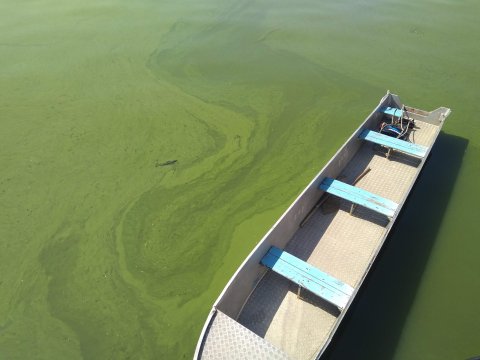
Harmful algal blooms (HABs) are growing in extent, duration, and scope around the world. Beset by widespread and frequent HABs, East Africa’s Lake Victoria offers an exceptional context to study the dynamics and impacts of blooms. We propose here to integrate satellite-based monitoring tools to detect bloom conditions and extent developed by King’s College researchers with on-the-ground data collected by Cornell researchers, both in collaboration with the Kenya Marine and Fisheries Research Institute (KMFRI) and Regional Centre for Mapping of Resources for Development (RCMRD). This partnership will facilitate satellite-based monitoring of HAB seasonal patterns and long-term trends and link HABs to public and ecosystem health challenges, including toxin accumulation in fish and drinking water and environmental impacts of aquaculture. The team’s regional investment, strong connections to KMFRI/RCMRD, and commitment to jointly advancing knowledge, publications, and external funding applications will enable us to leverage this project for long-term impacts.
Assessment of Phenotypes and Outcomes of COVID and its Sequelae in the US and the UK*
- Cornell PI: Mark Weiner, Population Health Sciences, Weill Cornell Medicine
- KCL PI: Vasa Curcin, Population Health Sciences, School of Life Course and Population Sciences
GEOHUB: A Trans-Atlantic Collaboration on Deep Geothermal Energy Risk Communication (Part II)
Three-way project with Cornell, Edinburgh, and King's College
- Cornell PI: Katherine McComas, Communication, CALS
- KCL PI: Ragnar Lofstedt, Geography/School of Global Affairs
Abstract
Our project will establish GEOHUB, a trans-Atlantic deep geothermal energy research collaboration between Cornell, Edinburgh University, and King’s College London. Recent advances in deep geothermal systems, like Cornell’s Earth Source Heat Project, have made considerable renewable energy extractable worldwide. Widespread adoption of this emerging technology could significantly address climate change and energy insecurity. Past resistance to new energy technologies exemplifies why research is needed to avoid communication failures and engage the public before controversies occur. To establish durable foundations for GEOHUB, we will: (1) Conduct a cross-national comparative US-UK survey to define a baseline of public concerns, values, and perceptions of deep geothermal energy, (2) Publish the findings in a scientific journal, (3) Organize a multi-stakeholder workshop at King’s to strengthen our European network, (4) Conduct an academic workshop at Edinburgh to discuss GEOHUB’s future directions, and (5) Submit a joint international grant application to help guarantee the durability of our collaboration.
*Funded by Weill Cornell Medicine
National University of Singapore–Cornell University
A Home in the Hills: Land, Family, and Futures in the Eastern Himalayas
- Cornell PI: Sarah Besky, ILR School
- NUS PI: Sahana Ghosh, Sociology and Anthropology
Building Natural History Collections in the 21st Century Through a Collaborative NUS-Cornell Exchange of People, Specimens, and Ideas
- Cornell PI: Irby Lovette, Ecology and Evolutionary Biology, CALS
- NUS PI: Frank Rheindt, Biological Sciences
Abstract
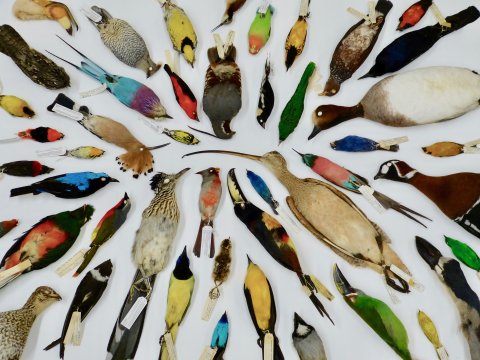
Natural history collections form the backbone of organismal biology. They document global biodiversity, provide the longest—and in some cases only—time-series data about populations, and help solve conservation problems. Despite the value of specimens, legal, ethical, and public perception challenges make it ever more difficult to justify the active collecting of many vertebrates, thereby limiting our ability to document changes in biodiversity and ecosystem health. Museums must therefore re-image how specimens are acquired and prioritize "salvage" efforts to gain specimens from unintended animal deaths (i.e., window collisions). Researchers at Cornell and the NUS have long salvaged bird carcasses for scientific discovery and conservation. Through this collaboration, we will re-imagine how natural history collections support the global research community by initiating a scalable, collaborative specimen salvage network that results in continued collections growth. This initiative will further strengthen Cornell’s and NUS’s position as leaders in biodiversity science.
Towards Real-World Robotic Caregiving: Bridging the Gap Between Roboticists and Healthcare Professionals
- Cornell PI: Tapomayukh Bhattacharjee, Computer Science, Cornell Bowers CIS
- NUS PI: Harold Soh, Computer Science, School of Computing
Seaweed as Climate Technology: Assessing Barriers to and Potential of Expanded Algae Production in Indonesia
- Cornell PI: Jenny Goldstein, Global Development, CALS
- NUS PI: David Taylor, Geography
Abstract
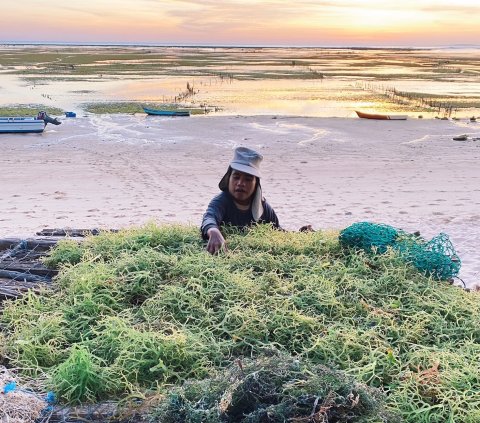
Seaweed can contribute significantly to climate change mitigation through its capture and storage of carbon and by providing a biofuel alternative to deforestation-causing palm oil. Indonesia is the world’s largest tropical producer of seaweed, with significant small-scale production undertaken by females. This project asks whether algae-based biofuel can be a significant part of Indonesia’s renewable energy transition and whether algae-based biofuel is a source of renewable energy globally. This project will investigate the multi-scalar benefits and harms of expanded algae production on marine ecosystems, local communities’ livelihoods, and climate mitigation. This Global Strategic Collaboration project thus places social sciences scholarship at the core of strategies involving nature-based solutions to climate change and will involve fieldwork in Indonesia and meetings of collaborators in Singapore. The research will also contribute to both universities’ efforts to build resilience to climate change challenges by developing low-carbon initiatives with social, economic, and environmental co-benefits.
Digital Twin Models: A Comparative Approach to Global Methods
- Cornell PI: Farzin Lotfi-Jam, Architecture, AAP
- NUS PI: Chaewon Ahn, Architecture
Designing Conversational Agents to Modulate Humans’ Belief in Misinformation
- Cornell PI: Susan Fussell, Information Science, Cornell Bowers CIS
- NUS PI: Yi-Chieh Lee, Computer Science
Capturing the Role of Microglia-Neuron Interactions in the Early Stages of Neurodegeneration with a New Human in Vivo Model*
- Cornell PI: Li Gan, Feil Family Brain and Mind Research Institute, Weill Cornell Medicine
- NUS PI: Vicenzo De Paola, Neuroscience and Behavioural Disorders, Duke-NUS Medical School
The Juice is Worth the Squeeze: The Role of Chromatin Architecture in Confined Migration-Induced Phase Separation*
- Cornell PI: Jan Lammerding, Biomedical Engineering, Cornell Engineering and Weill Institute for Cell and Molecular Biology
- NUS PI: Andrew Holle, Biomedical Engineering and Mechanobiology Institute
Abstract
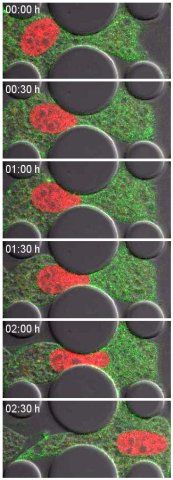
The principle of "liquid-liquid phase separation" (LLPS) has recently captured the attention of scientists, as it provides an intriguing mechanism by which molecules within a cell can form separate compartments, similar to the separation of oil and vinegar in a vinaigrette over time. Most prior research has focused on chemical signals governing LLPS; here, the two PIs, Jan Lammerding and Andrew Holle will investigate how external mechanical cues can modulate LLPS inside living cells. Using complementary molecular biology approaches and microfabricated devices developed in their laboratories, they will determine how the physical stress associated with cells migrating through microscopic constrictions that mimic the confined spaces within the human body can alter the organization of intracellular structures via LLPS. These studies will provide an improved understanding on the effect of confined migration on various biological processes, ranging from the recruitment of immune cells to sites of infections to the metastasis of cancer cells.
Innovating Emergency Department Triage Using Machine Learning*
- Cornell PI: Yiye Zhang, Population Health Sciences, Weill Cornell Medicine
- NUS PI: Nan Liu, Health Services and Systems Research, Duke-NUS Medical School
*Funded by Weill Cornell Medicine
University of Sydney–Cornell University
Defining Spatiotemporal Mechanisms that Promote Peripheral Nerve Regeneration
- Cornell PI: David Lin, Biomedical Sciences, Veterinary College
- USYD PI: Shila Ghazanfar, Faculty of Science
Abstract
Peripheral nerve damage can have devastating effects on a person’s quality of life. Regrowing nerves must navigate through a complex environment and interact with surrounding cells to reach their appropriate targets. Recent advances in imaging-based technology enable the examination of these interactions with unprecedented resolution in three dimensions. By combining these new tools with existing mutant models, this Project will shed light on the mechanisms underlying regeneration, with the potential for identifying new therapies that can enhance regrowth. It involves the combined strengths of a bioinformatician and a neurobiologist that will establish a strong foundation for future collaborations.
Minimally Disruptive Urbanism
- Cornell PI: Lily Chi, Architecture, AAP
- USYD PI: Chris Smith, Architectural Theory, School of Architecture, Design and Planning
Molecular Polaritonics
- Cornell PI: Andrew Musser, Chemistry and Chemical Biology, A&S
- USYD PI: Girish Lakhwani, Faculty of Science
Testing a Framework for Designing and Evaluating Scalable Online Assessment in a Global Higher Education Context
- Cornell PI: Rene Kizilcec, Information Sciences, Cornell Bowers CIS
- USYD PI: Elaine Huber, Business Co-Design Team, Business School
University College London–Cornell University
Study of Novel Eco-Friendly Perovskite Semiconductors for Optoelectronic Applications
- Cornell PI: Qiuming Yu, Smith School of Chemical and Biomolecular Engineering, Cornell Engineering
- UCL PI: Mojtaba Abdi Jalebi, Institute for Materials Discovery, Faculty of Mathematical and Physical Sciences
The Role of Transparency Frames in Human-AI Interaction and Trust
- Cornell PI: Rene Kizilcec, Information Science, Cornell Bowers CIS
- UCL PI: Mutlu Cukurova, UCL Knowledge Lab
Migration and Refuge: Collaborations Across Borders
- Cornell Co-PI: Saida Hodzic, Anthropology, A&S
- Cornell Co-PI: Eleanor Paynter, Migrations Fellow
- UCL PI: Elena Fiddian-Qasmiyeh, UCL-Geography and UCL-Migration Research Unit
Anthropocene World-Making / Aesthetics of Exposure
- Cornell PI: Karen Pinkus, Romance Studies and Comparative Literature, A&S
- UCL PI: Florian Mussgnug, School of European Languages, Culture and Society
Abstract
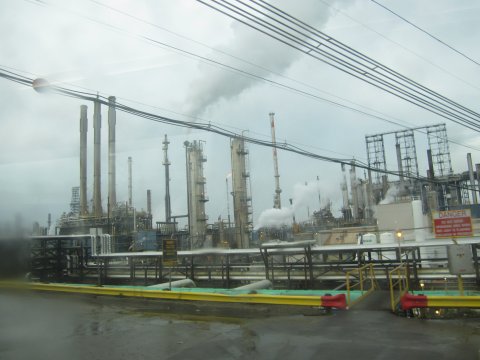
Our project brings together researchers in the humanities, social, and life sciences. “Exposure” is widely used in ecology (biological forms are exposed to foreign agents, perhaps toxic) and from photography (before the digital). We speak of limiting our exposure to ecological and financial risk. When we talk of invisible non-toxic greenhouse gases in the atmosphere, the question becomes more complex. At heart, our project asks about translation: what does it mean to take a term from one set of disciplines and apply it or scale it to another, say, from laboratory work in chemistry to narratives about survival, the emergence of radically new social and aesthetic constellations, or images of landscapes? Can such moves yield "solutions" beyond narrow spheres of expertise? Can exposure serve as a method for significant realignment in the Anthropocene?
School Management Practices and Pupils’ Socio-Emotional Development
- Cornell PI: Daniela Scur, Dyson School of Applied Economics and Management
- UCL PI: Nikki Shure, UCL Social Research Institute
Universidad San Francisco de Quito–Cornell University
Whole Genome Analysis of the Ecuadorian Hillstar: A Window into Hummingbird Evolution
- Cornell PI: Leonardo Campagna, Cornell Lab of Ornithology, CALS
- USFQ PI: Elisa Bonaccorso, College of Biological and Environmental Sciences
Abstract
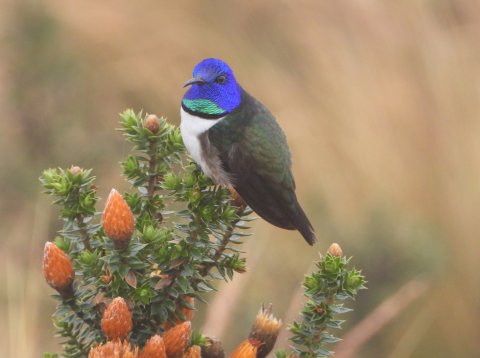
Hillstars are extraordinary creatures as they weigh only a few grams but can maintain a high metabolism at the low temperatures and low oxygen pressures of the Andean highlands. The Ecuadorian Hillstar from Chimborazo volcano differs in coloration patterns and in their high-frequency songs from those in other volcanoes of Ecuador, a signal of the insularity of volcano faunas. This project will sequence the genomes of Ecuadorian Hillstars, with the aim of understanding their evolutionary history. Genomic tools, while powerful, are not equally accessible, with limited opportunities for training outside of North America and Europe and private companies offering services at a marked-up and prohibitive cost. This project will foster international collaboration between USFQ in Ecuador and the Cornell Lab of Ornithology and train an Ecuadorian student in genomic wet lab and bioinformatics techniques, transferring skills that can be used in subsequent studies and taught at their home institution.
Microbial Community Characterization of Gold Bioleaching Reactors During Various Stages of Operation
- Cornell PI: Matthew Reid, Civil and Environmental Engineering, Cornell Engineering
- USFQ PI: Melany Ruiz-Urigüen, College of Sciences and Engineering
Abstract
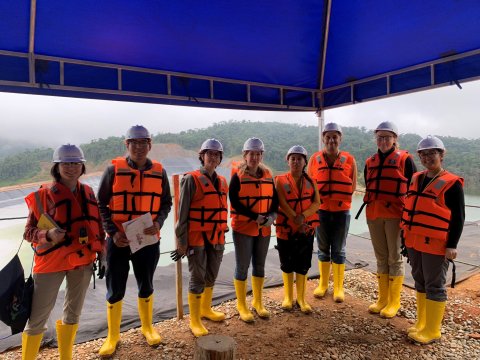
The green energy revolution will require a significant increase in the use of mineral resources for the renewable energy technologies needed for a low-carbon future. Around the world, global needs for intensified mineral production must be reconciled with local concerns about environmental impact. This Global Strategic Collaboration Award will support collaborative research between Melany Ruiz Uriguen (USFQ) and Matthew Reid (Cornell) to partner with the Canadian Mining Company Lundin Gold to mitigate the water quality impacts of mining. Specific research tasks that this research will support include (a) geospatial analysis of water quality around Lundin Gold’s Fruta del Norte Mine (FDN); (b) field sampling of water, soil, and sediment at FDN; and (c) development and testing of bio-leaching methods that can avoid the of use cyanide in mining operations.
Examining the Role of Large Vertebrates in Biogeochemical Cycling in the Western Amazon
- Cornell PI: Alexander S. Flecker, Ecology and Evolutionary Biology, CALS and A&S
- USFQ PI: Esteban Suárez-Robalino, College of Biological and Environmental Sciences
Aging in Ecuador: Challenges for Community Planning
- Cornell PI: Mildred Warner, City and Regional Planning, AAP
- USFQ PI: Jonathan Guillemot, College of Health Sciences, School of Medicine
Informing Public Health Interventions: A Cross-Sectional Survey of Community Knowledge, Attitudes and Practices Towards Cutaneous Leishmaniasis in Three Endemic Regions of Ecuador
- Cornell PI: Caroline Yancey, Public and Ecosystem Health, Veterinary College
- USFQ PI: Gulnara Patricia Borja-Cabrera, College of Health Sciences, School of Medicine
Abstract
This study will assess community knowledge and practices related to cutaneous leishmaniasis (CL) in Pichincha province, Ecuador. CL is a zoonotic vector-borne disease that leads to skin lesions and scarring in infected humans. Urbanization, deforestation, and climate change impact CL disease distribution and have contributed to recent increases in the disease in Ecuador, including Pichincha, and little is known about the CL epidemiology in this province. Prevention and control of leishmaniasis require a combination of strategies, including community education. The research team will use the study results to inform public health CL disease prevention programs in Ecuador. This is the first collaboration between USFQ’s medical school and Cornell’s Department of Public and Ecosystem Health. The project will be used for community-engaged learning, allowing students from both institutions to gain public health practice and research skills.
Levels of Biological Diversity: The Link Between Plant Interaction Diversity and Phytochemical Diversity in the Andean Asteraceae Shrub Baccharis Latifolia
- Cornell PI: Andre Kessler, Ecology and Evolutionary Biology, CALS
- USFQ PI: Diego F. Cisneros-Heredia, College of Biological and Environmental Sciences
Abstract
Plants produce a large diversity of secondary metabolites of which some have been shown to function as defenses against herbivores. One of the major driving questions in plant biology and chemical ecology is why individual plants maintain such a high diversity of compounds and why natural selection seems to drive further metabolic diversification on the population and species levels. Here we address major hypotheses that explain population-level variation in phytochemical diversity. We measure phytochemical diversity as a function of arthropod species diversity by taking advantage of steep elevational and population density gradients along the slopes of the Ecuadorian Andes. This project addresses rarely-tested fundamental hypotheses in ecology and evolution but also integrates concepts of two very impactful and fast-growing subfields, biodiversity research and chemical ecology. This later merger also unifies research that was traditionally focused in the tropics with that focused on temperate biomes, respectively.
Imperial College London–Cornell University
Evaluating Learning During Remote and In-Person Labs Using Machine Learning Analysis of Student Lab Artifacts
- Cornell PI: Natasha Holmes, Physics, A&S
- Imperial PI: Michael Fox, Physics
Wikipedia Editing: A Transatlantic Materials Collaboration
- Cornell PI: Julia Dshemuchadse, Materials Science and Engineering, Cornell Engineering
- Imperial PI: Jessica Wade, Materials